Blog / Affiliate marketing
How Does Incentivized Traffic Boost App Monetization? A WeWard Case Study
Incentivized traffic is a promotion model where users receive a reward — virtual currency, points, or vouchers — for completing an action such as viewing an offer or generating a lead. In the WeWard × OnThatAss case study on MyLead, adding incentives nearly doubled visits and leads, lifting earnings per visit from 0.34 EUR to 0.37 EUR within one week.
This case study breaks down how MyLead, WeWard, and OnThatAss turned a standard display-ad campaign into a high-engagement funnel. You will see the exact before-and-after numbers behind incentivized traffic.
What you'll learn from this article:
what incentivized traffic is and how it monetizes app engagement,
how WeWard and OnThatAss ran their joint MyLead campaign,
the exact before-and-after results of adding incentives,
the pros, cons, and risks of reward-based promotion.
What is incentivized traffic in app monetization?
Incentivized traffic is a promotion model in which users receive a reward — virtual currency, points, or vouchers — for completing a defined action, such as viewing an offer, signing up, or generating a lead. In app monetization, it converts passive engagement into measurable conversions, because users have a direct motivation to interact with the advertiser's offer instead of ignoring it.
Platforms like WeWard apply this through reward systems similar to an Offerwall: users complete an action and earn points they later exchange for cash or gifts. MyLead supports the same logic with Offerwall Rewards, letting app owners monetize traffic without charging users directly.
How do WeWard and OnThatAss work together?
WeWard is a gamified fitness app that rewards users with virtual currency called wards for walking, jogging, or staying active. OnThatAss is a subscription brand selling exclusive boxer shorts delivered monthly. In this MyLead campaign, WeWard promoted the OnThatAss offer to its active user base, pairing a health-driven audience with a recurring e-commerce product.
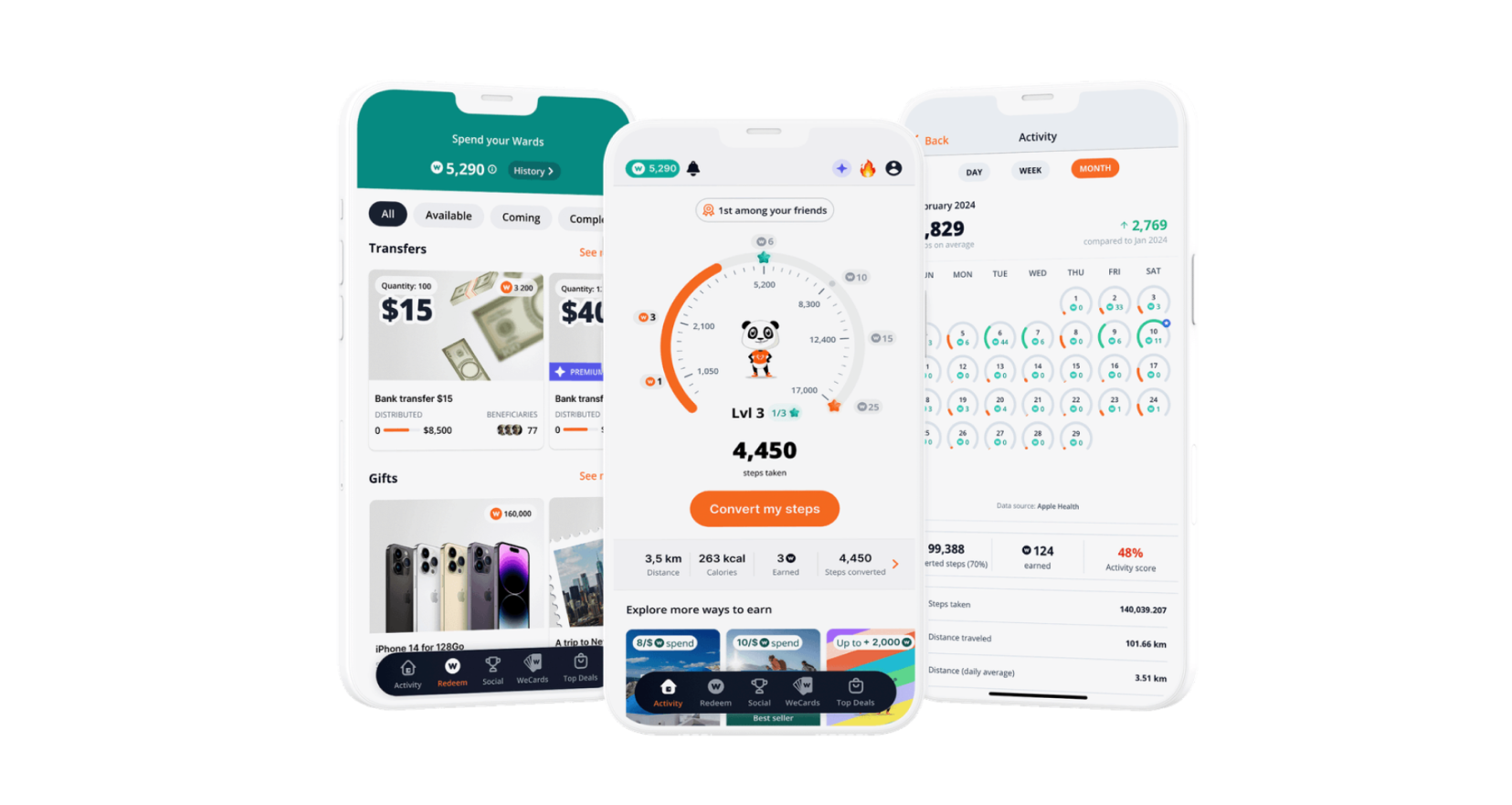
Users redeem wards for discounts, vouchers, or cash, which makes WeWard a textbook example of gamification in affiliate marketing — engagement becomes the product. MyLead shows several ways to monetize mobile apps with similar reward-based models.
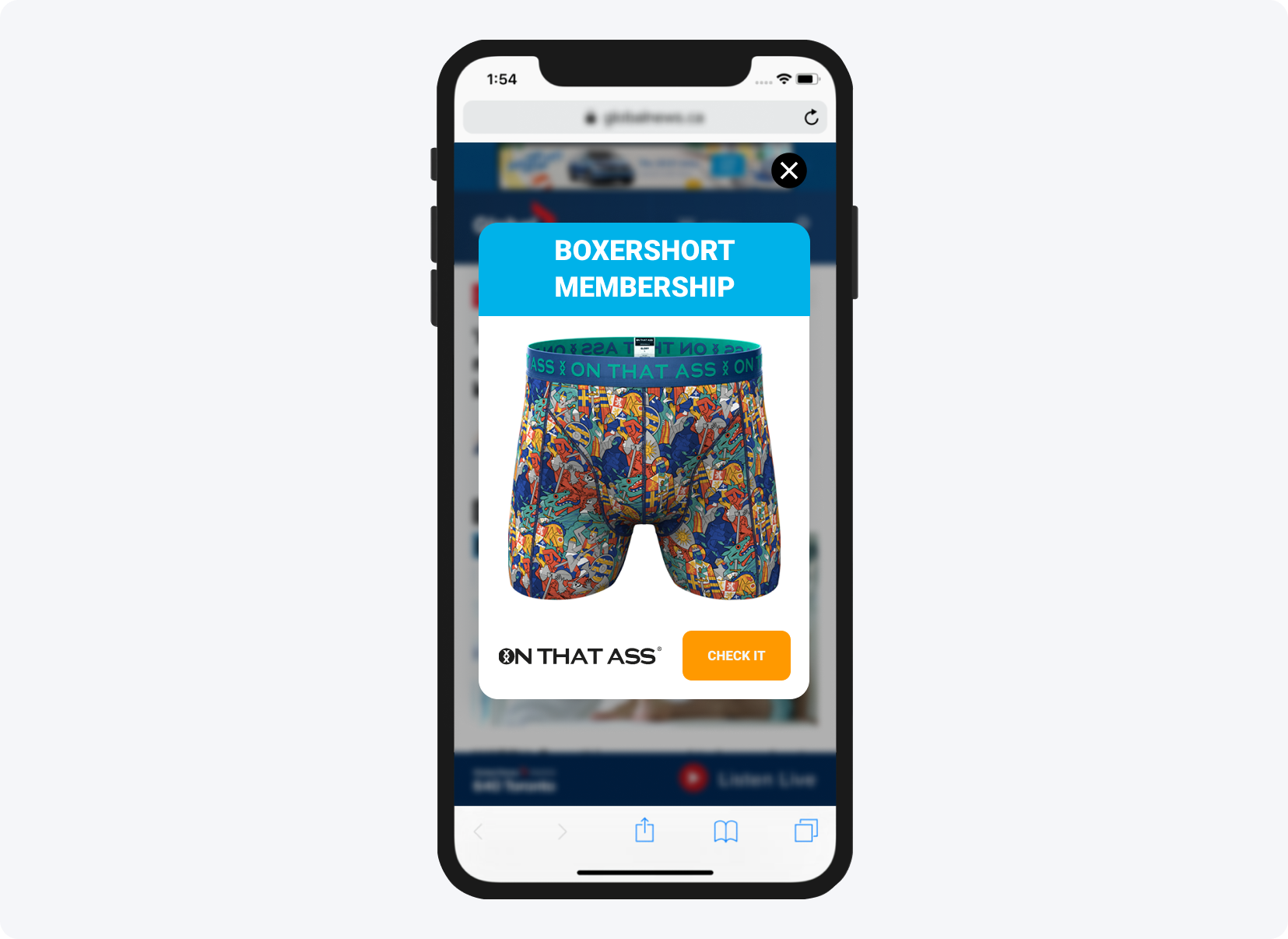
OnThatAss gives the first pair of boxers free, then charges 10.99 EUR per month for later deliveries, with free shipping always included. Check the OnThatAss campaign in the MyLead directory if you want to promote it yourself.

How did the campaign perform before incentives?
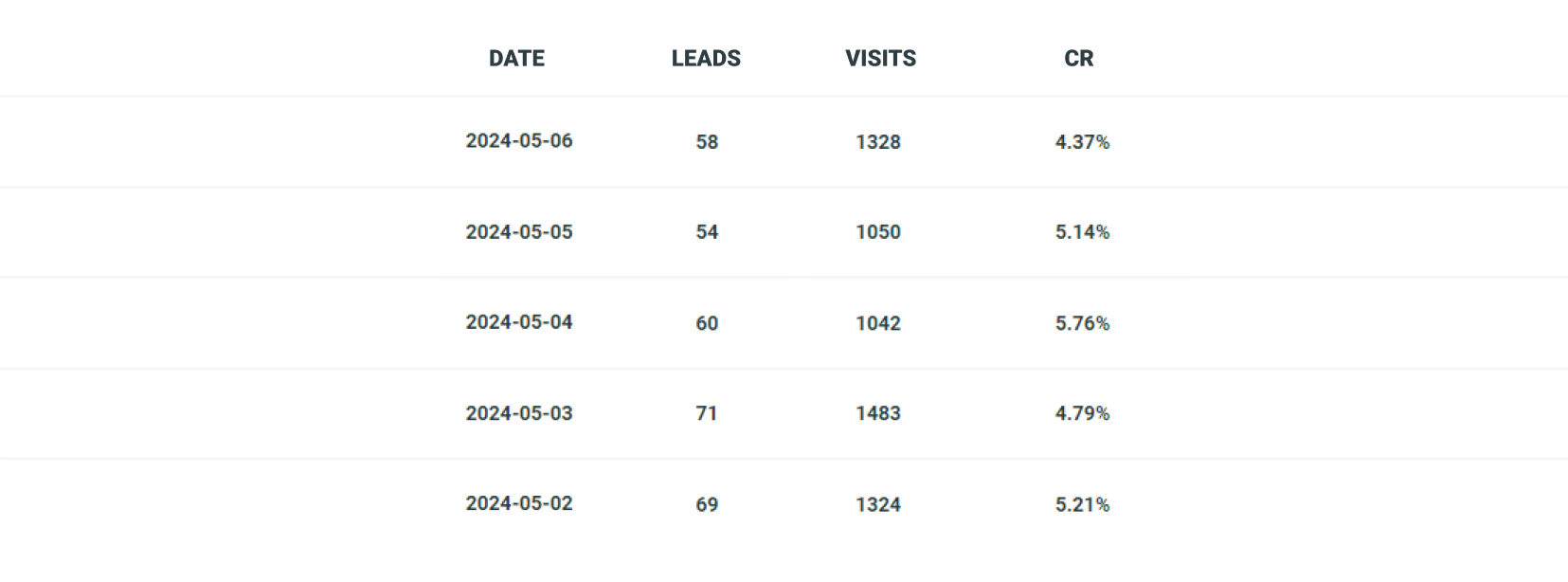
Before adding incentives, the strategy relied on standard display ads promoting the OnThatAss offer inside the WeWard app. The approach generated steady results — a conversion rate around 4.85% and 0.34 EUR earnings per visit — but engagement and lead volume stayed below the campaign's targets, leaving clear room for optimization.
Between 2 and 6 May 2024, the display-ad phase recorded 312 total visits. The campaign performed, but it relied entirely on passive ad exposure — users saw the boxer-shorts promotion without a direct reason to click and convert.
What changed after adding incentivized traffic?
After WeWard started rewarding users with wards for engaging with the OnThatAss offer, nearly every metric roughly doubled. Total visits rose from 312 to 1180 in one week, lead generation grew at a similar pace, and earnings per visit climbed from 0.34 EUR to 0.37 EUR. The conversion rate stayed stable at around 5.27%.
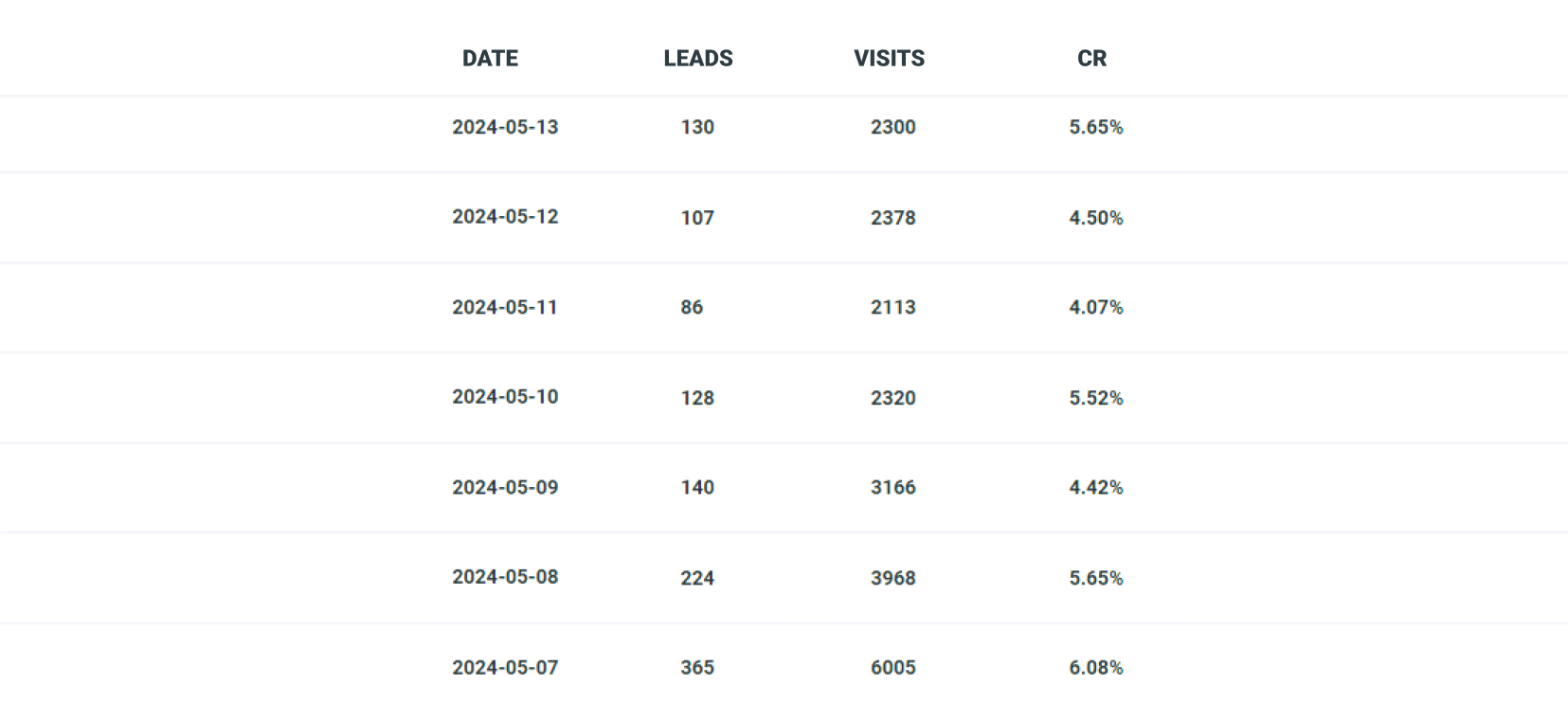
The comparison below shows the impact of incentivized traffic over two consecutive weeks:
| Metric | Before incentives (2-6 May) | After incentives (7-13 May) |
|---|---|---|
| Total visits | 312 | 1180 |
| Conversion rate | ~4.85% | ~5.27% |
| Earnings per visit | 0.34 EUR | 0.37 EUR |
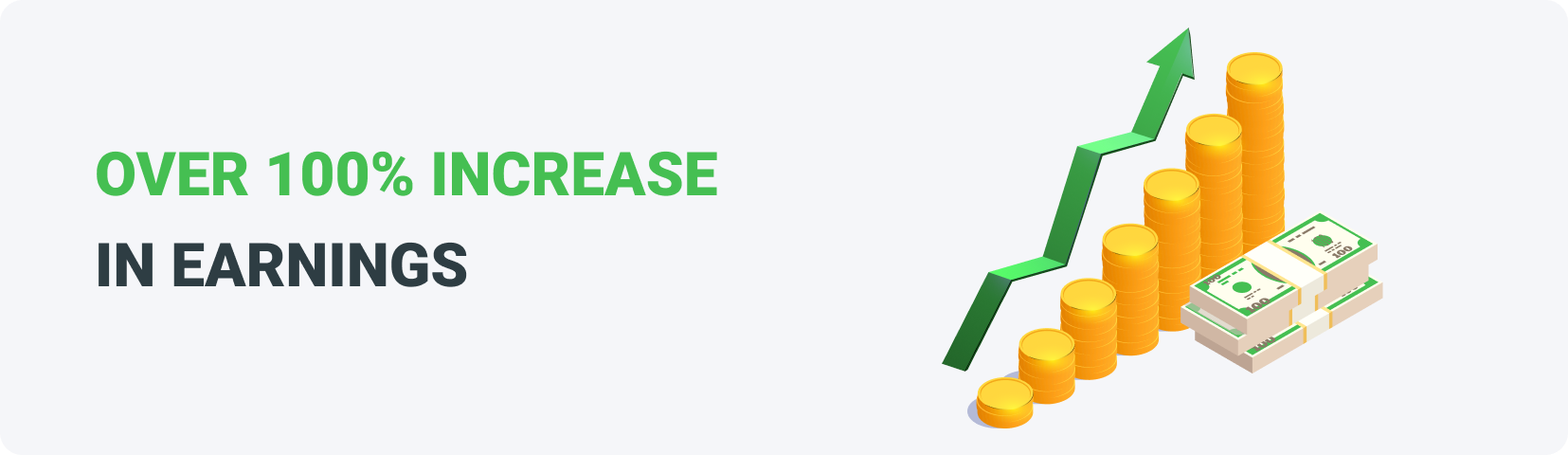
Because more users converted at a similar rate, total earnings from the OnThatAss program rose sharply — a more than 100% increase over the baseline. This is the core advantage of reward-based promotion: you scale volume without sacrificing quality, the same pattern MyLead documents in its Offerwall mobile-game case study and Mobile Rewards guide.
What are the pros and cons of incentivized traffic?
Incentivized traffic quickly lifts visits, installs, and leads because users have a clear reason to act, and it can double engagement metrics as this case study shows. The trade-off is quality control: rewarded users are sometimes less committed, so the model needs constant monitoring to prevent misuse and keep conversions genuine.
Weigh these points before running an incentivized campaign:
Faster KPIs — installs, sign-ups, and leads grow quickly, which can lift app store rankings.
Higher engagement — rewards turn passive users into active participants, as visits doubled here.
Quality risk — some rewarded users drop off after claiming the reward, so pay-per-lead offers need extra screening.
Ongoing management — incentives require monitoring to prevent abuse and protect conversion quality.
For a balanced view of the format, read MyLead's facts and myths about Offerwall.
Key takeaways
Incentivized traffic rewards users for completing actions, turning passive app engagement into measurable conversions.
In the WeWard × OnThatAss case study, visits jumped from 312 to 1180 in a single week after incentives launched.
Earnings per visit rose from 0.34 EUR to 0.37 EUR, while the conversion rate held steady near 5.27%.
WeWard's gamified rewards scaled volume without lowering conversion quality — proof that gamification drives results.
Reward-based promotion needs constant monitoring, because rewarded traffic can attract low-intent users on pay-per-lead offers.
FAQ
1. What is incentivized traffic in affiliate marketing?
Incentivized traffic is a model where users get a reward — points, currency, or vouchers — for completing an action like viewing an offer or signing up. It motivates engagement that passive ads rarely achieve.
2. Does incentivized traffic increase conversions?
Yes. In the WeWard × OnThatAss campaign, visits rose from 312 to 1180 and leads roughly doubled in one week, while the conversion rate stayed stable at around 5.27%.
3. What is the OnThatAss affiliate program?
OnThatAss is a subscription brand that delivers exclusive boxer shorts monthly. The first pair is free, then subsequent deliveries cost 10.99 EUR with free shipping, and you earn a commission for each new subscriber.
4. Is incentivized traffic allowed on every campaign?
No. Some CPA and pay-per-lead offers restrict rewarded traffic because it can attract low-intent users. Always check each campaign's terms before sending incentivized traffic.
Summary
Incentivized traffic turned a modest display-ad campaign into a high-performing funnel: the WeWard × OnThatAss case study on MyLead nearly doubled visits and leads while keeping conversion quality intact. Reward-based promotion delivers when you monitor it closely. Explore MyLead's affiliate programs to launch your own campaign in 2026.
Have any questions? Feel free to reach us through our channels.