Blog / Affiliate marketing
Tier 1 Countries in Affiliate Marketing: What Should You Consider in Promotion?
This article is updated regularly
Last update:
25 August 2025
Tier 1 countries in affiliate marketing are the most economically and technologically advanced nations — the United States, United Kingdom, Canada, Germany, France and Australia among them. They offer the highest commission rates and strongest purchasing power, but demand larger advertising budgets and face fierce competition. Promotion succeeds through precise geotargeting, premium positioning and high-quality English content.
This guide breaks down what defines Tier 1, why geotargeting decides your results, which affiliate program categories convert best, and the promotion methods that work in these premium markets.
What you'll learn from this article:
how the tier system divides countries and what places a market in Tier 1,
why geotargeting and Smartlinks decide the profitability of your campaigns,
which affiliate program categories convert best with Tier 1 audiences,
which promotion methods — from SEO to paid ads — work in premium markets,
why content locking pays up to ten times more in Tier 1 than in lower tiers.
What are Tier 1 countries in affiliate marketing?
In affiliate marketing, a tier is a categorization of countries by income, education, standard of living and English proficiency. Tier 1 groups the most advanced economies — the United States, Canada, United Kingdom, Germany and Australia — with the highest payouts and purchasing power. Tier 2 covers developing markets like Poland or Brazil; Tier 3 the lowest-income economies.
The tiering criteria are income, education level, standard of living and the popularity of English. Countries scoring higher move into a higher tier. The division stays flexible — advertisers and networks adjust it per campaign, so treat any tier list as illustrative rather than absolute.
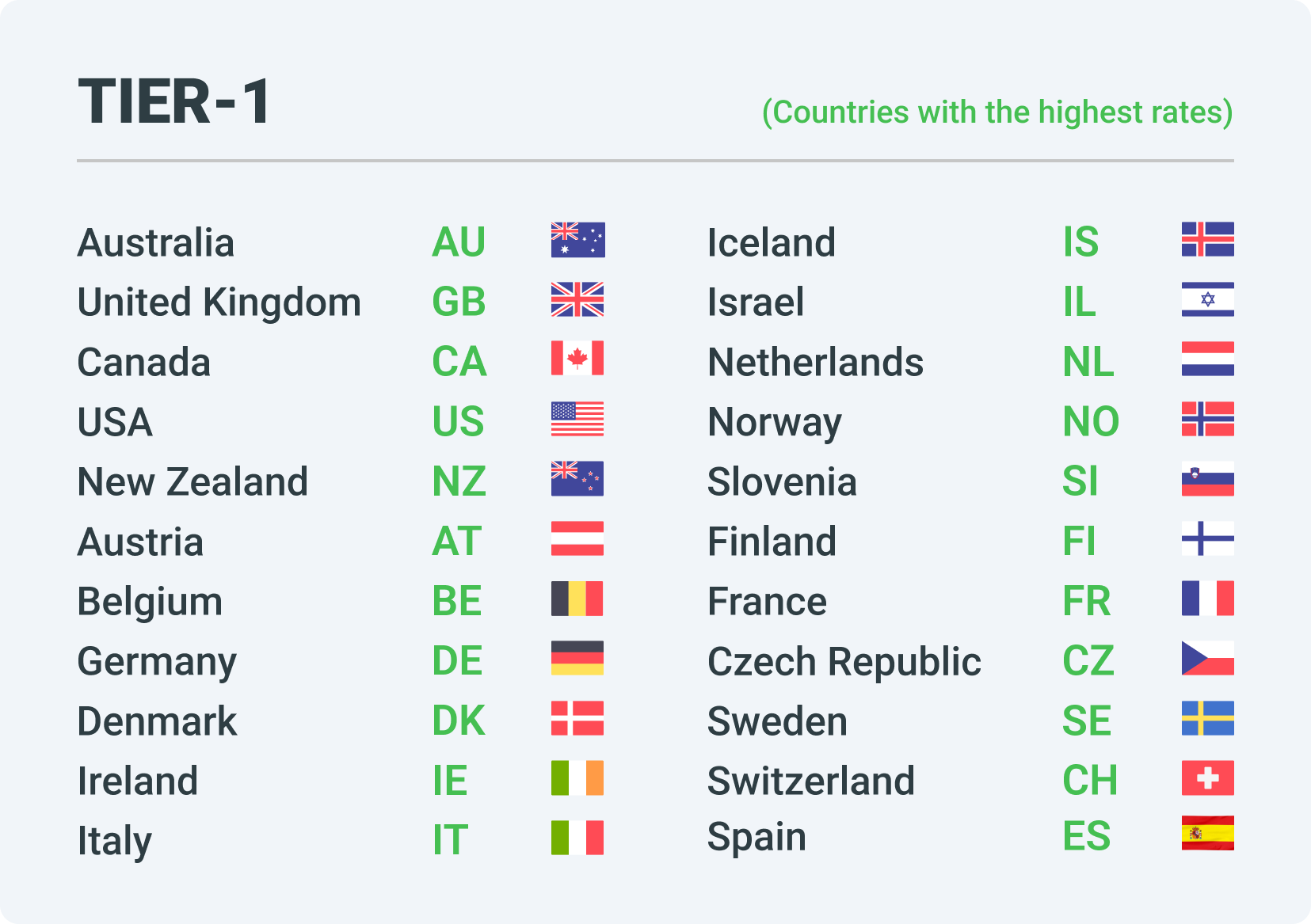
Tier 1 covers the most economically and technologically advanced countries — high income, developed infrastructure and large consumer markets, such as the United States, Canada and Germany.
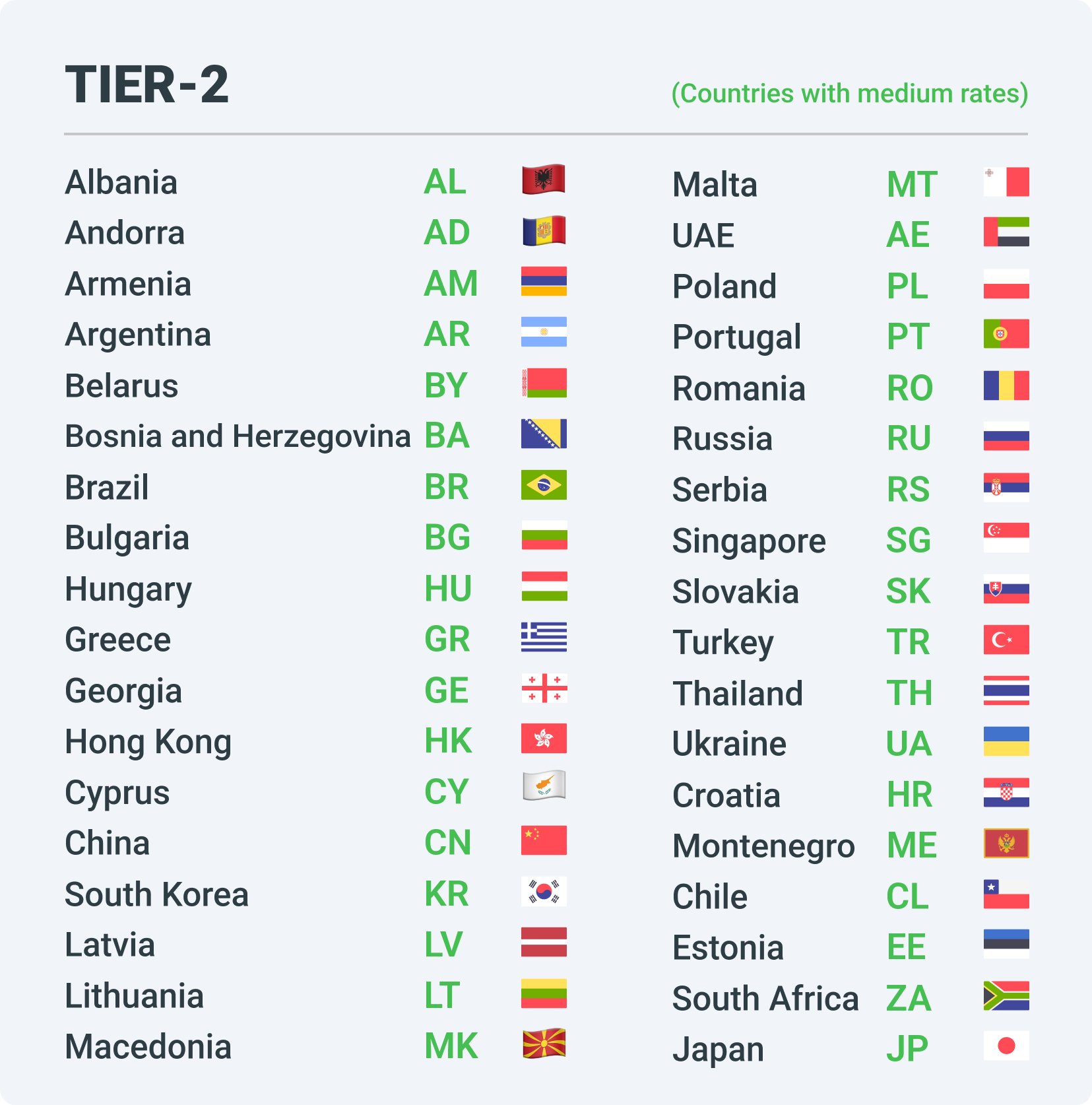
Tier 2 includes markets that are slightly less developed but still hold real potential, with average income levels — for example Poland, Brazil, Turkey and China.
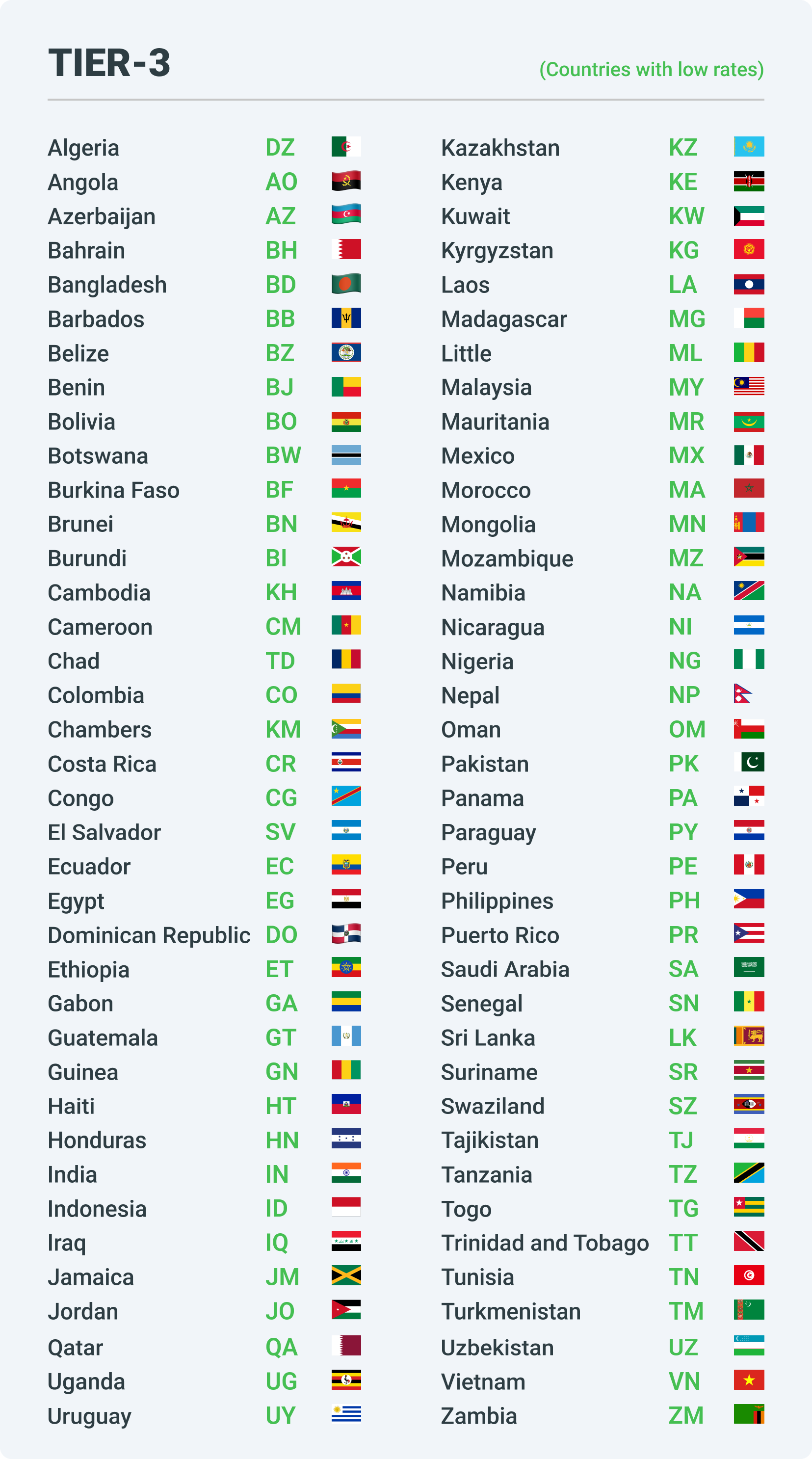
Tier 3 groups countries with lower income and economic development — developing economies such as Nigeria, Pakistan, the Philippines and Vietnam.
Promoting in Tier 1 means higher competition and bigger budgets, but a larger base of high-purchasing-power customers and higher rates. If terms like CPA, EPC or postback are new to you, our affiliate marketing glossary explains the essentials.
Why is geotargeting important when promoting in Tier 1?
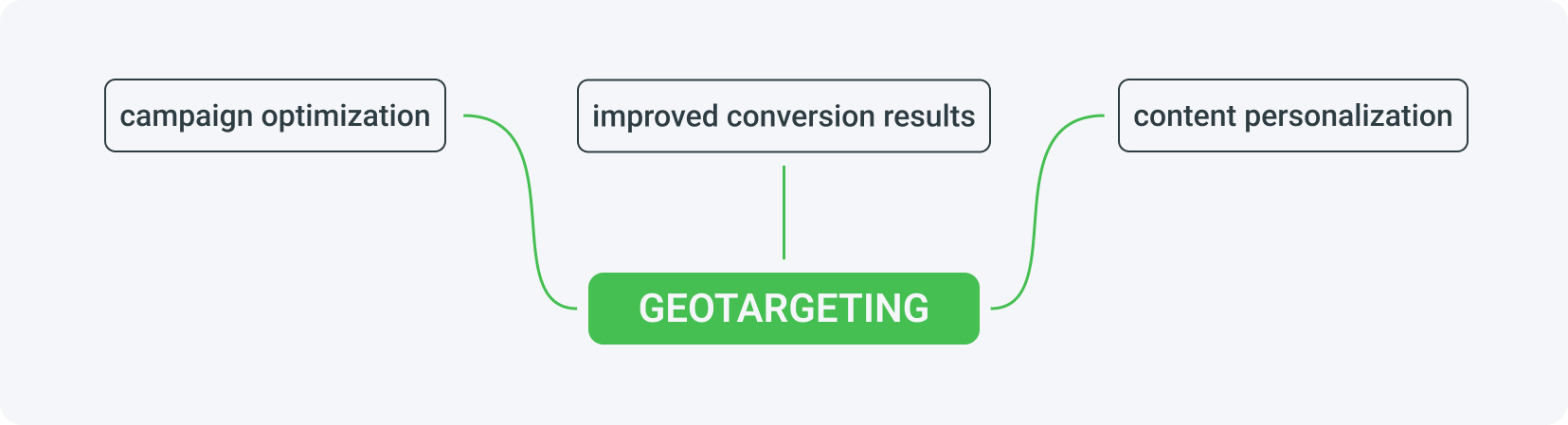
Geotargeting tailors content and offers to a specific geographic location, so ads reach the right audience with the right language and products. In Tier 1 promotion it is decisive: matching an offer to a wealthy, English-speaking market lifts conversion rates, while misreading the audience drains budgets on clicks that never convert.
You enable geotargeting with Smartlinks, and the strongest results come when you pair affiliate marketing with an offer tracker. With a properly configured tracker, you build your own smart links and route traffic to the campaigns with the highest effectiveness per GEO.
Campaign optimization — focus spend on specific regions first, then expand gradually to control costs.
Personalized content — ads matched to local language and culture raise engagement and response.
Higher conversion rates — concentrating on markets with real demand improves results and profit.
What should you consider when promoting in Tier 1 countries?
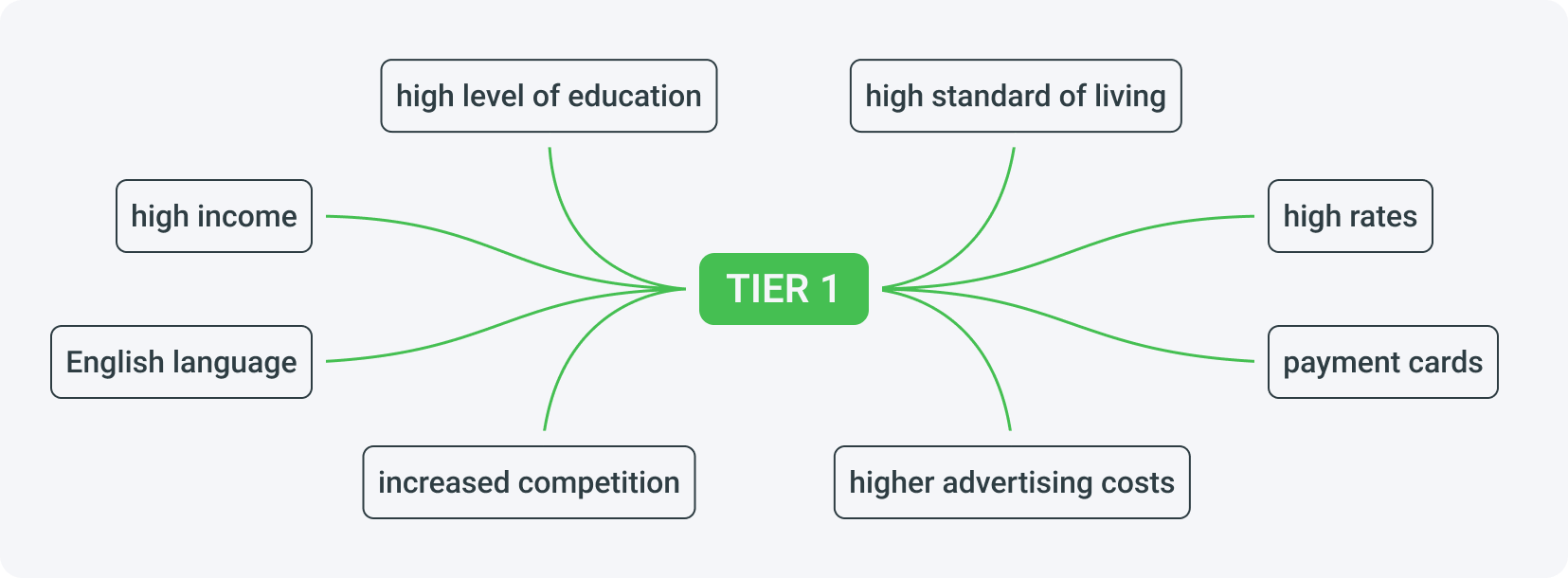
Promoting in Tier 1 means selling to demanding, high-income buyers in a crowded market. Eight factors shape the strategy: high income, high education, high standard of living, higher rates, widespread English, stronger competition, higher ad costs and broad card and e-wallet adoption. Each one changes how the offer is positioned and where budget goes.
High income — buyers can afford premium products, so emphasize value, innovation and durability over price.
High education level — audiences are knowledgeable and demanding; use precise, professional, informative language to build trust.
High standard of living — highlight comfort, luxury, convenience and customization that improve quality of life.
Higher rates — Tier 1 traffic earns more favorable commissions, so pick programs with attractive payouts.
English language — English works across most Tier 1 markets; adapt content and landing pages to communicate clearly.
Increased competition — research the market, segment the audience and lead with a unique selling point.
Higher advertising costs — developed markets and competition raise ad prices, so plan your budget carefully.
Payment cards and e-wallets — card and online-wallet use is common; offer secure, diverse payment options.
Which affiliate programs work best for Tier 1?
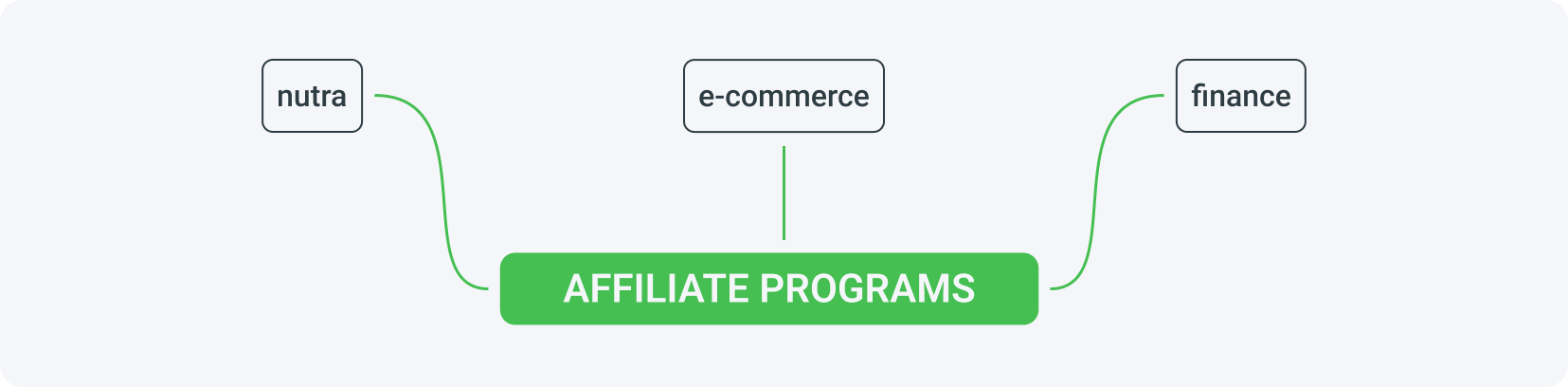
The strongest Tier 1 categories match high income and digital maturity: e-commerce, Nutra (health and beauty) and finance. E-commerce splits into technology and electronics, fashion and accessories, and home furnishings. Nutra works thanks to health and beauty awareness; finance attracts buyers managing money, insurance and loans. The best results come from reputable, high-converting offers.
In e-commerce affiliate programs, technology, branded fashion and home products convert well, because Tier 1 consumers invest in quality and personalization. Nutra covers skincare, supplements, fitness and eco-friendly products tied to health awareness. Finance — insurance, loans and advisory — pays high commissions and rewards credible institutions, so finance affiliate programs suit experienced publishers.
Six e-commerce programs available on MyLead fit Tier 1 traffic well, spanning global and country-specific offers:
| Program | Rate | Type | Countries | Link |
|---|---|---|---|---|
| VEVOR | 2.88% | CPS | Global |
|
| Decathlon – ES | 2.45% | CPS | ES |
|
| Halara – DE | 7.50% | CPS | DE, UK, USA |
|
| Desigual – UK | 5.78% | CPS | UK |
|
| Patpat – FR | 4.50% | CPS | FR |
|
| Shein | 0.75%–11.25% | CPS | Many |
|

Which promotion methods work in Tier 1 countries?
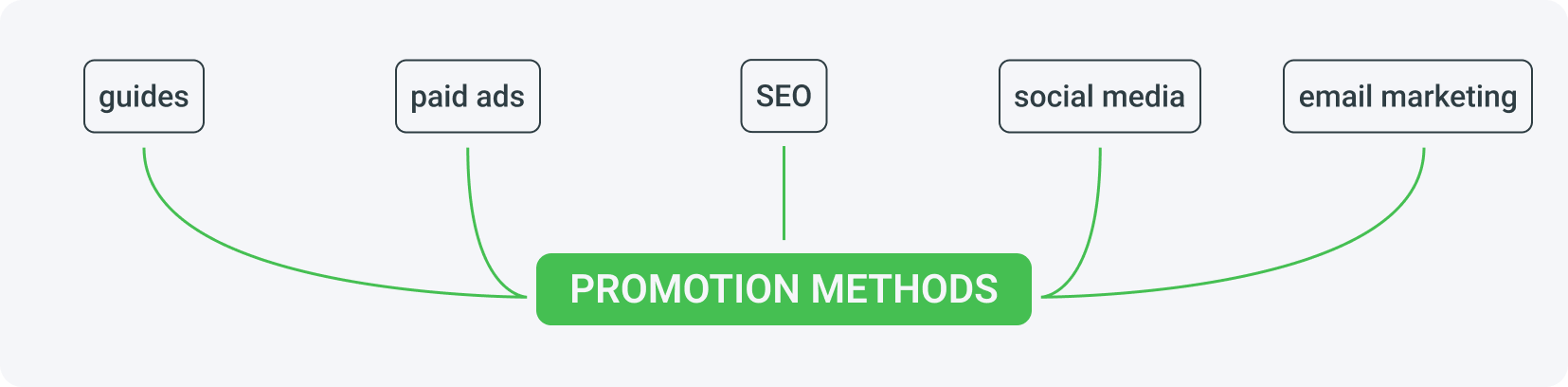
Five promotion methods perform in Tier 1: reviews and guides, paid ads, SEO, social media and email marketing. Effectiveness varies by product category and country, so results require monitoring, testing and adjustment. The common thread is high-quality, audience-matched content backed by precise targeting and tracking.
Reviews and guides
Reviews and guides are valuable content — product reviews, buying guides and best-of lists in a category. Tier 1 buyers research before purchasing, so reliable opinions, comparisons and practical tips directly influence their decisions. Honest, in-depth reviews build the trust that turns readers into buyers and earn commissions on each conversion.
Follow proven structure for review and comparison sites to keep readers moving toward the offer.
Paid ads
Paid ads on Facebook, Instagram, LinkedIn and X (Twitter), plus paid search on Google and Bing, reach selected Tier 1 audiences. Platforms target by location, interests and demographics. In Tier 1, auction-based prices fluctuate with competition and demand, so creative quality and tight targeting decide cost per result.
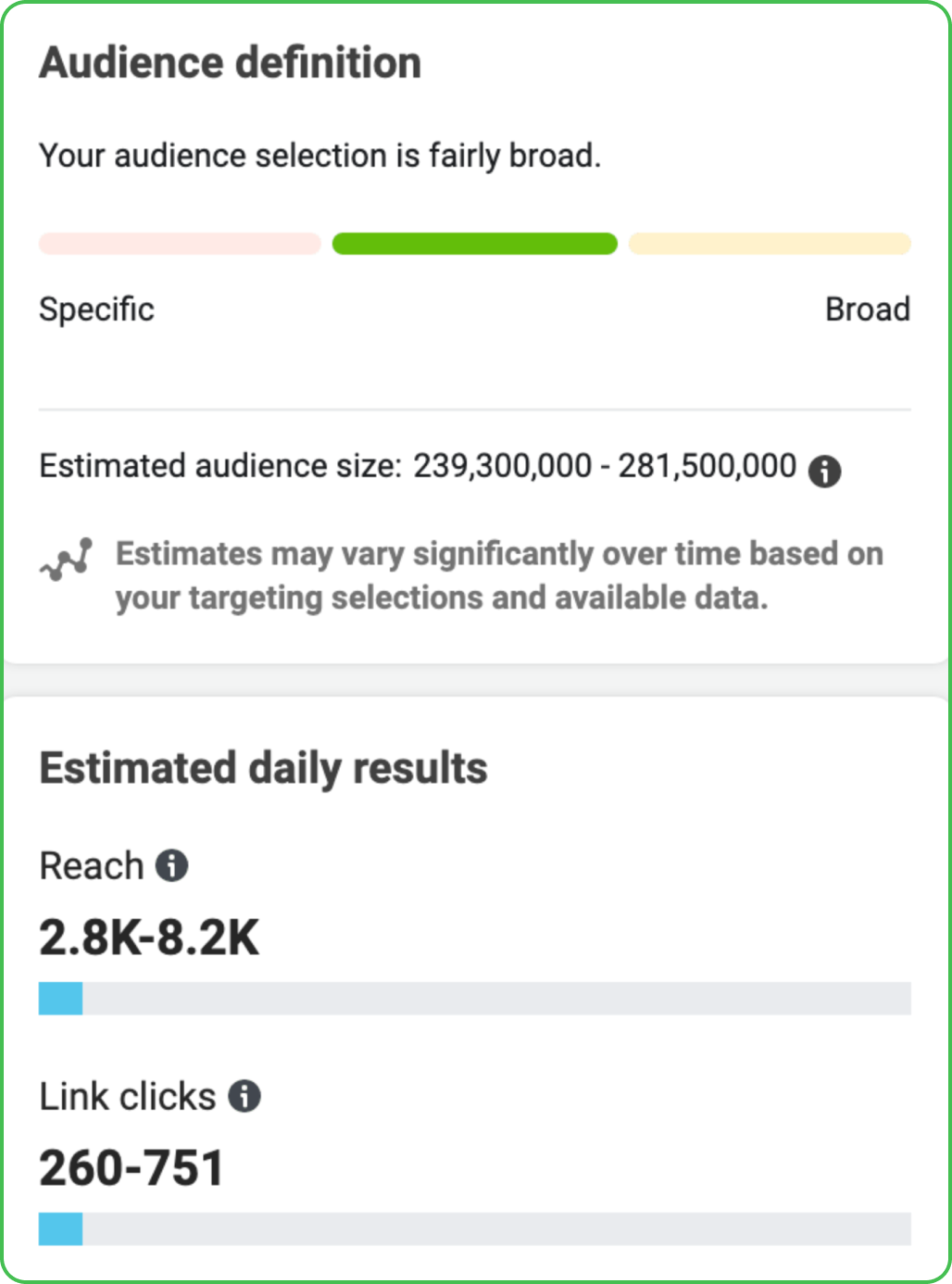
On Facebook Ads, prices are set by auction, so reach shifts with supply and demand. A campaign targeting single men in the United States with a $20 daily budget reached an estimated audience of 239–281 million, around 2,800–8,200 daily reach and 260–751 link clicks.
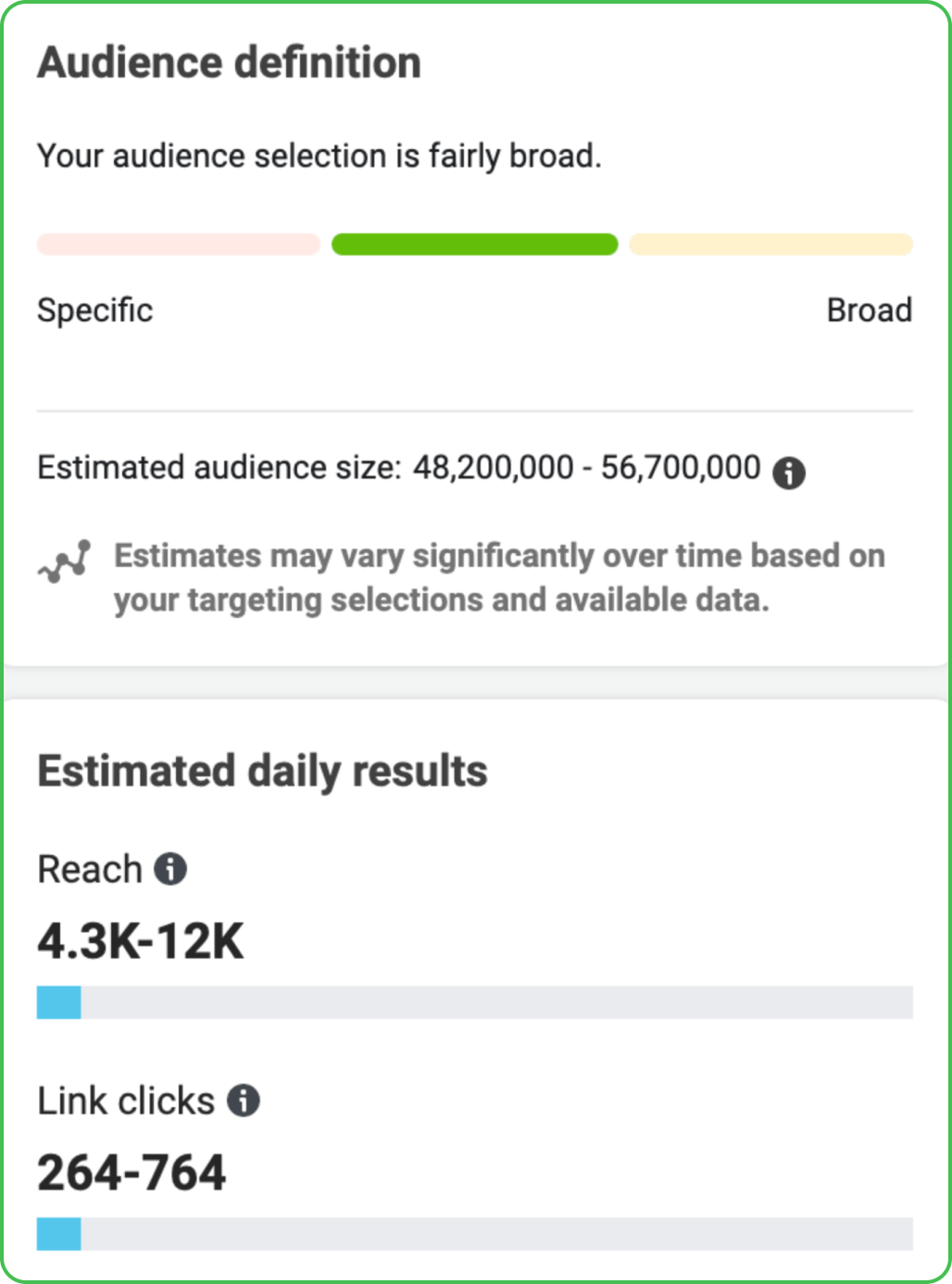
The same $20 daily budget aimed at fashion-interested women in the United States returns a different estimated reach for the same spend.
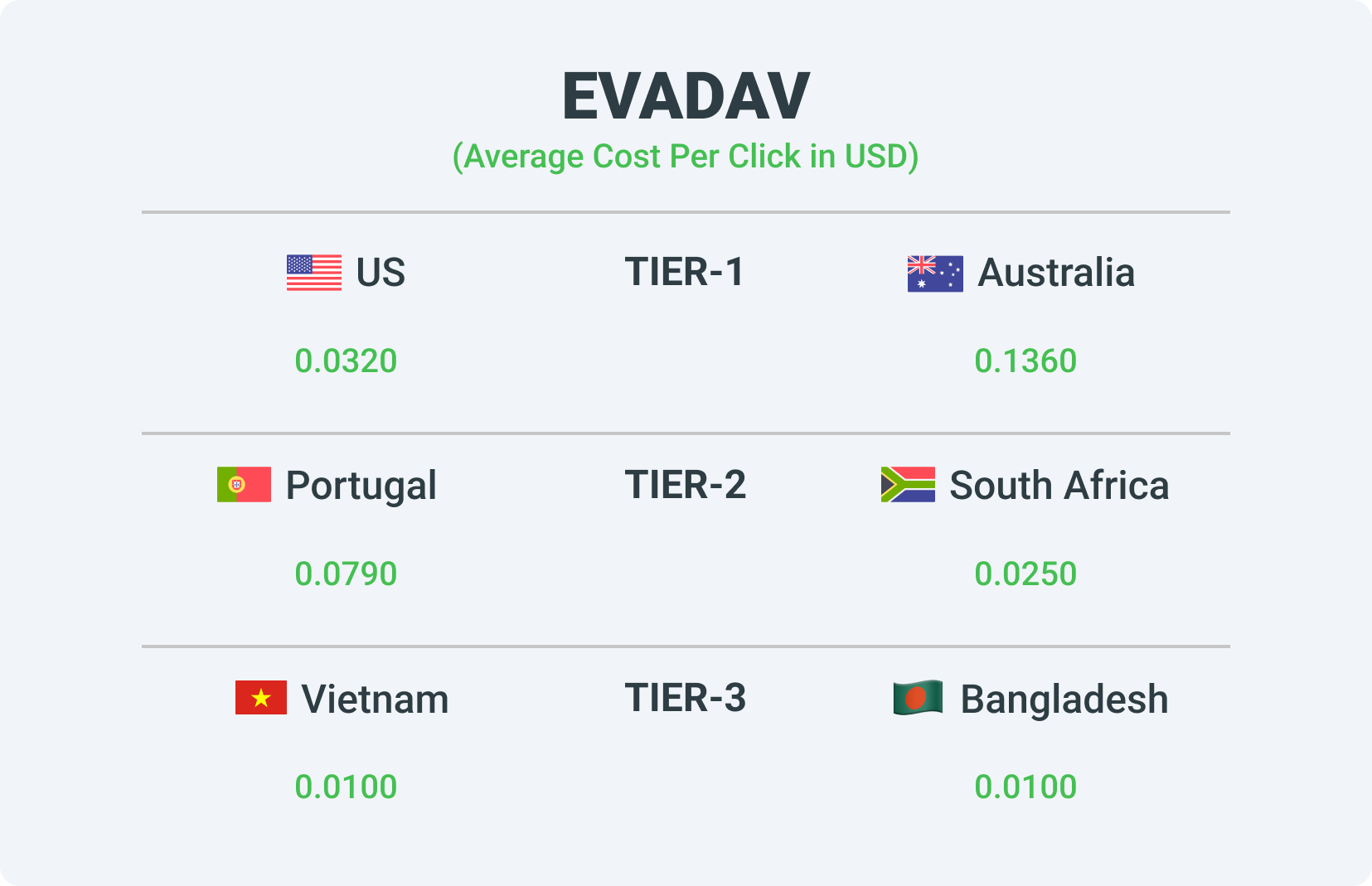
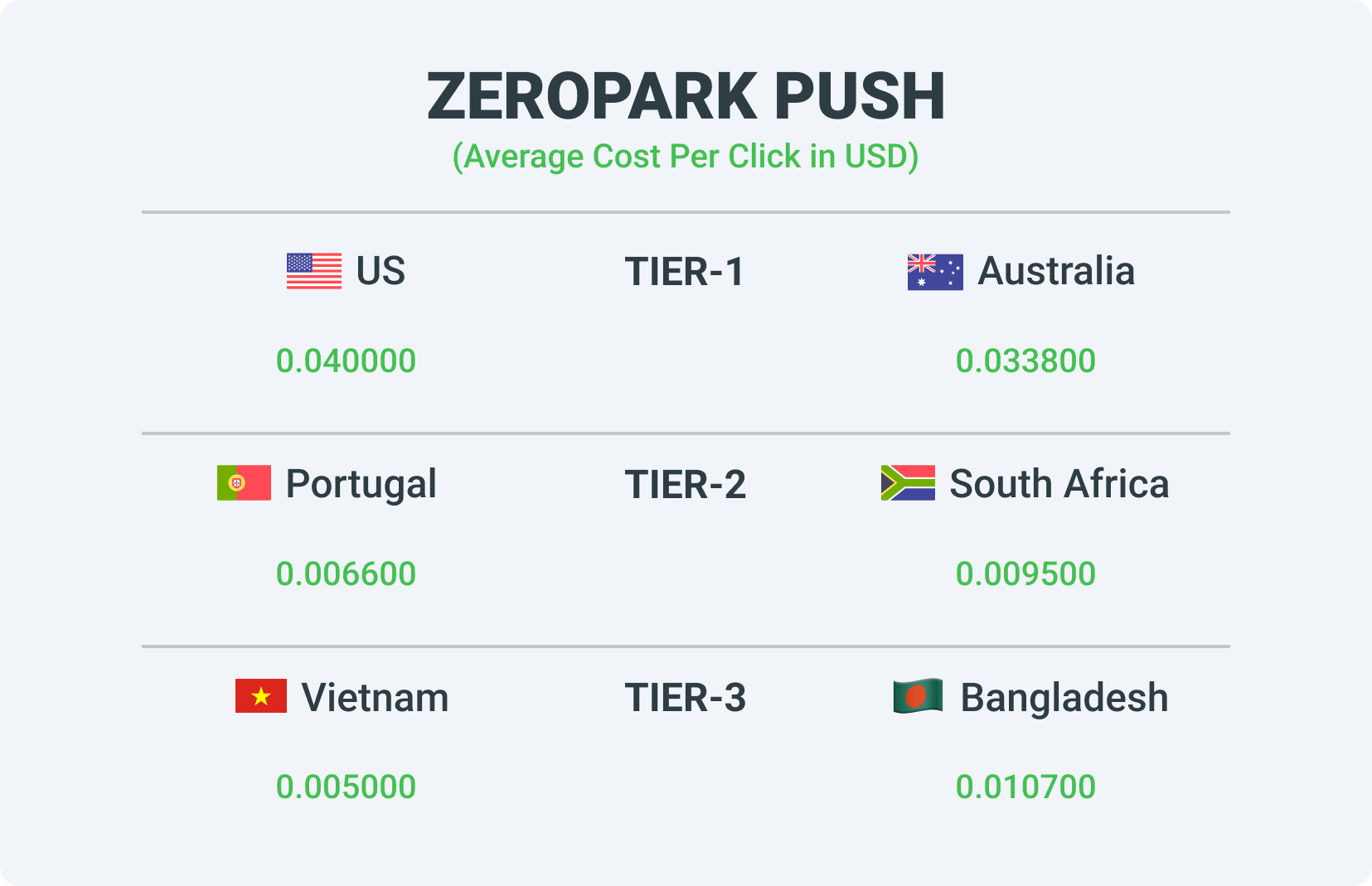
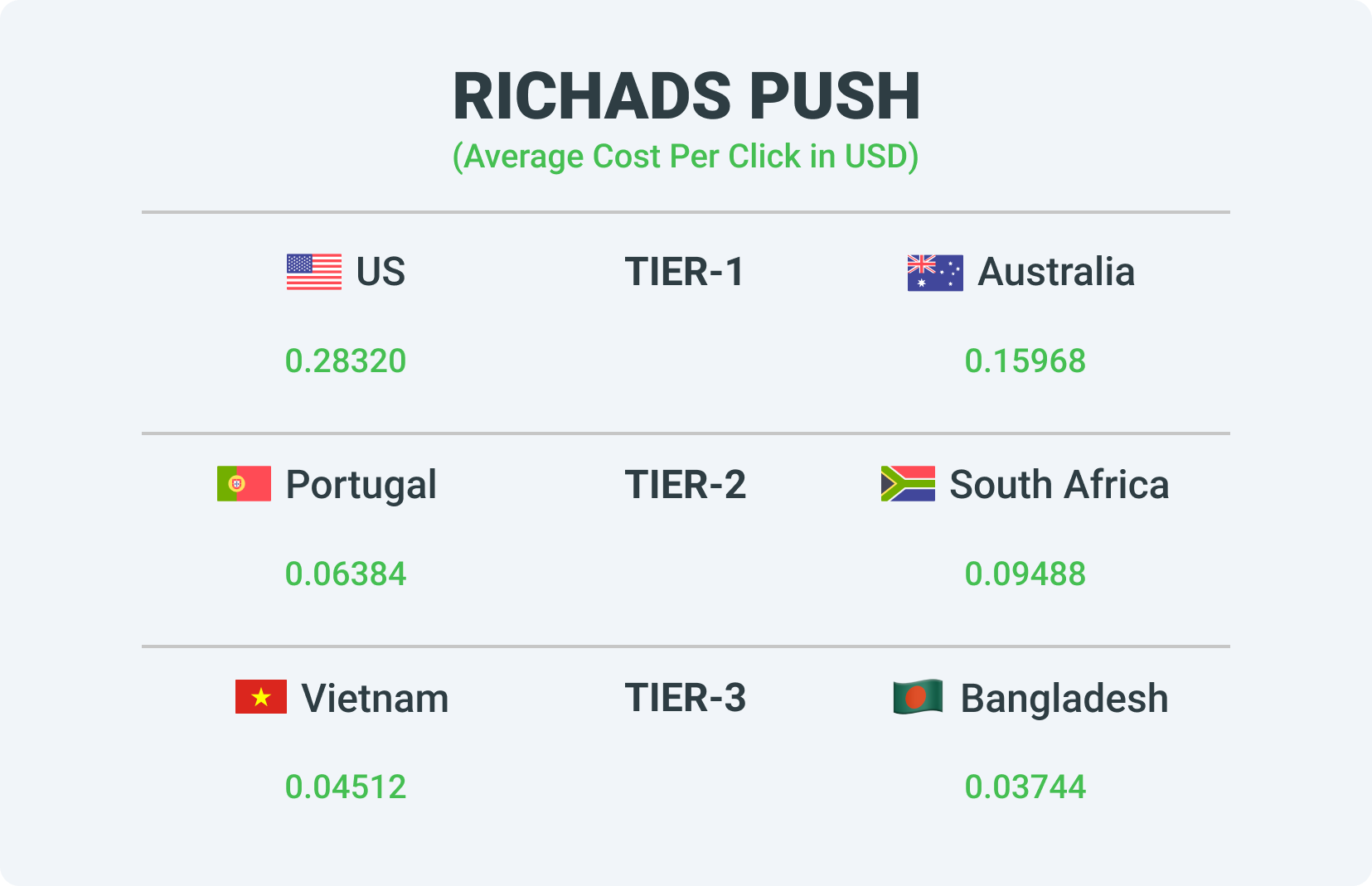
Click costs also vary by tier across push ad networks. In Evadav, average CPC runs about $0.032 for the US and $0.136 for Australia (Tier 1), against roughly $0.010 for Vietnam (Tier 3).
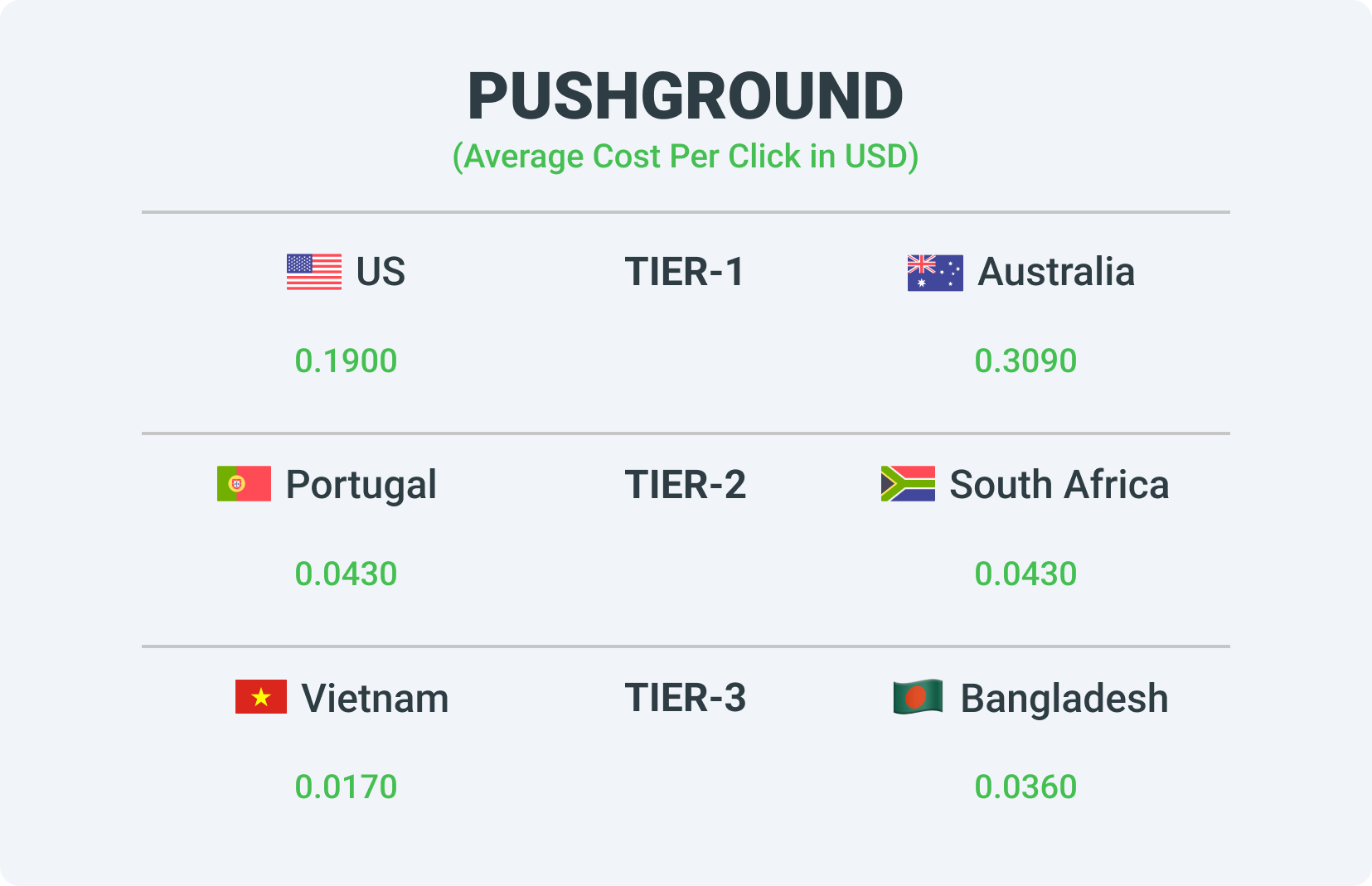
Pushground, ZeroPark Push and RichAds Push follow the same pattern — Tier 1 clicks cost more but reach higher-value users.
SEO optimization
SEO grows organic visibility by targeting the keywords Tier 1 buyers search in a category, complemented by paid search like Google Ads. In Tier 1 — especially the United States — competition is fierce, so deep keyword research, high-quality content, on-page optimization and strong backlinks are non-negotiable.
Search tactics shift fast with AI — see SEO in the age of AI to keep landing pages ranking in 2026.
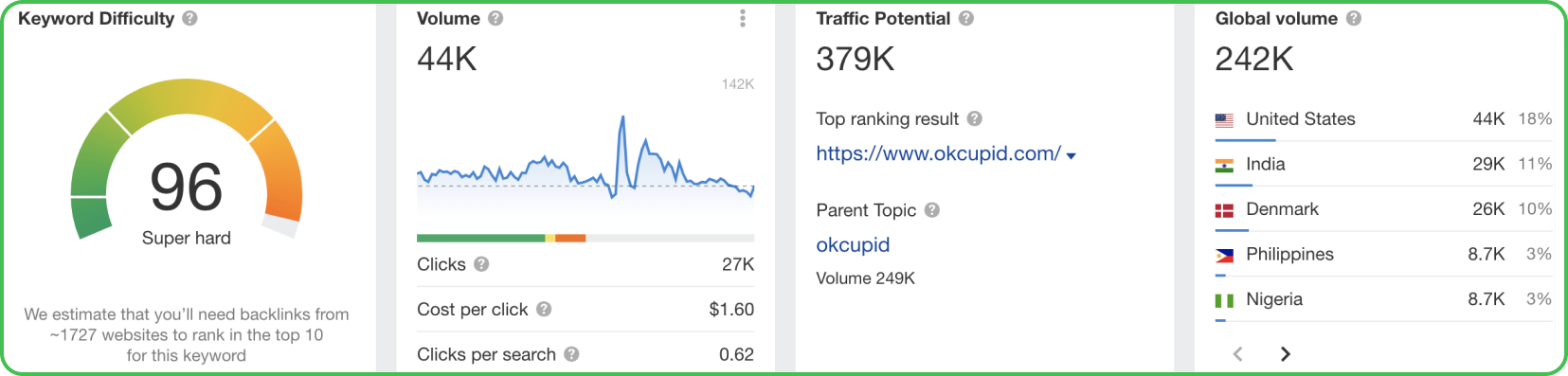
Tools like Ahrefs expose competition and cost per click. For the keyword dating in the United States, Ahrefs reports a keyword difficulty of 96 (super hard), 44K monthly searches and a $1.60 CPC.
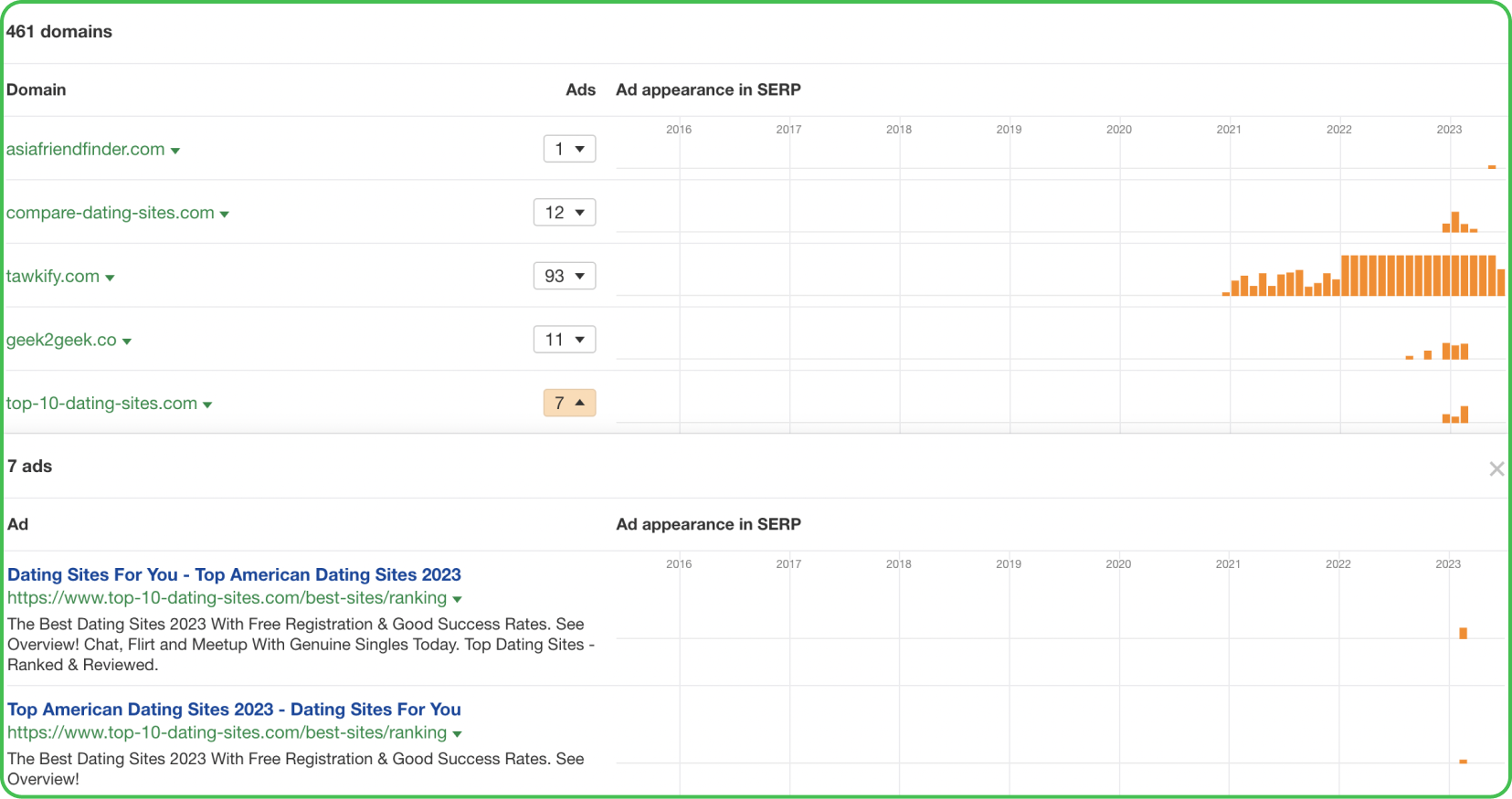
Ahrefs also shows competitors' ad history, revealing how large portals structure their campaigns.
A large share of the US population speaks Spanish, so Spanish-language SEO opens a less-saturated audience alongside the English-speaking market.
Social media
Social media on Facebook, Instagram, X (Twitter) and TikTok reaches broad Tier 1 audiences. A strategy built around local preferences and behavior — strong visual content, engaging posts and relevant hashtags — expands the reach of promoted offers and pulls qualified traffic toward affiliate links and landing pages.
Email marketing
Email marketing builds a subscriber list from contacts collected on an affiliate site. Personalized emails with product recommendations, exclusive offers and promotions tuned to Tier 1 interests, sent to an engaged list, build loyalty and repeat purchases. Data-protection rules like GDPR apply to collecting and storing contact data.
Why does content locking pay off most in Tier 1?
Content locking blocks access to content until a visitor completes an action, and in Tier 1 the same conversion point pays up to ten times more than in Tier 2 or Tier 3. Identical effort, a far higher rate — that gap lets you run broader campaigns at a similar or even lower cost per click.
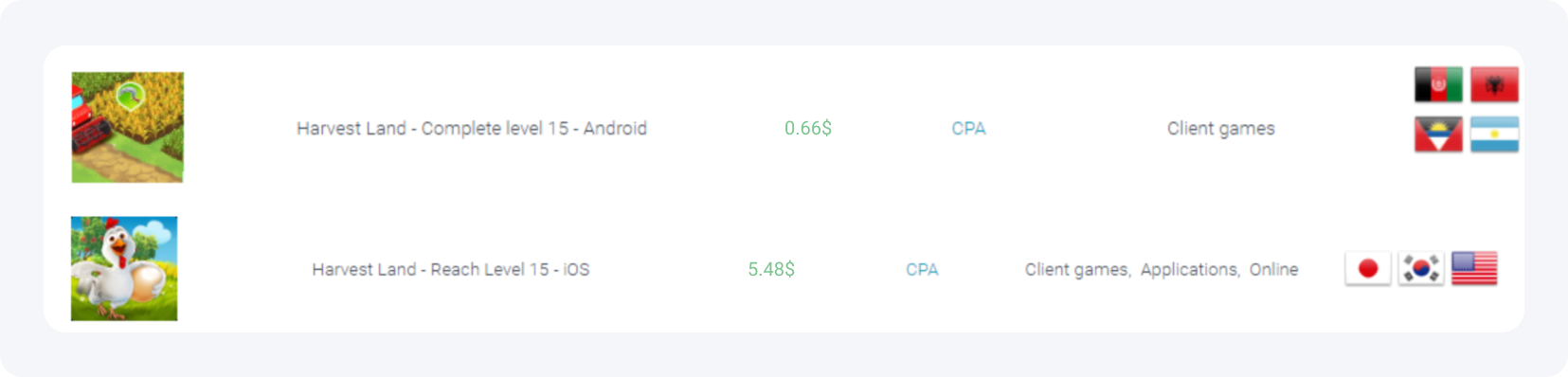
The higher rate at an identical conversion point produces stronger results from paid campaigns and a similar — sometimes lower — cost per click. See exactly how it works in our content locking case study on blocked articles, then try MyLead's Content Locker to monetize Tier 1 traffic without your own product.
Technically, geotargeting routes each visitor to the right offer — a lightweight redirect script or a CMS plugin handles it in minutes, so most campaigns need only simple configuration.
Key takeaways
Tier 1 groups the most advanced economies — the US, UK, Canada, Germany, France and Australia — with the highest rates and purchasing power.
Higher payouts come with fiercer competition and bigger ad budgets; geotargeting and tracking keep spend efficient.
E-commerce, Nutra and finance convert best; pick reputable, high-rate offers like the e-commerce programs above.
Reviews, paid ads, SEO, social media and email marketing all work — quality content plus precise targeting decides results.
Tier 1 CPC is higher (e.g. $0.032 US vs $0.010 Vietnam in Evadav), but the audience is far more valuable.
Content locking pays up to ten times more in Tier 1, enabling broader campaigns at a comparable cost per click.
FAQ
1. What's the difference between Tier 1, Tier 2 and Tier 3 countries?
Tier 1 covers the most developed, high-income economies with the highest rates; Tier 2 includes developing markets like Poland or Brazil with medium rates; Tier 3 groups lower-income economies with the cheapest traffic and lowest payouts.
2. Why is Tier 1 traffic more expensive?
Developed markets and intense competition push auction-based ad prices up, so CPC and CPM run higher than in Tier 2 or Tier 3. You pay more per click, but reach wealthier, higher-converting users.
3. How much budget do you need to start in Tier 1?
There is no fixed minimum, but Tier 1 clicks cost roughly two to three times more than lower tiers. Start small with one GEO, track results and scale once a campaign proves profitable.
4. Is geotargeting necessary for Tier 1 campaigns?
Yes. Geotargeting matches offers, language and creatives to each market, lifting conversions and cutting wasted spend. Smartlinks and an offer tracker make it straightforward to set up.
5. Which affiliate programs convert best in Tier 1?
E-commerce (technology, fashion, home), Nutra and finance perform strongest, because they match high income and digital maturity. Choose reputable brands with attractive commission rates.
Summary
Tier 1 countries in affiliate marketing offer the highest rates and the most valuable audiences, but they demand precise geotargeting, premium positioning and disciplined budgets. Match the right category — e-commerce, Nutra or finance — to a tracked, well-targeted campaign, and add high-yield tools like content locking. Create a free MyLead publisher account to start promoting Tier 1 offers in 2026.
Have any questions? Feel free to reach us through our channels.