
Blog / Affiliate marketing
How to Make Money Blogging in 2026?
This article is updated regularly
Last update:
09 March 2026
Making money blogging means monetizing an audience — most often through affiliate marketing, where a blogger earns a commission for every sale or action generated by links placed in the content. Blogs also earn through display ads, sponsored posts, and own products. On a network like MyLead, the model is simple: choose a niche, publish helpful content, and add affiliate links that convert readers into revenue.
This guide shows you the practical path to make money blogging — from proving blogs still pay, through picking a profitable niche, to scaling affiliate income with MyLead. Expect concrete steps, not theory.
What you'll learn from this article:
why blogs remain profitable in 2026, even next to TikTok and short-form video,
how affiliate marketing turns blog traffic into passive income,
which niches convert best for bloggers, from health and wellness to smart combinations,
how to place affiliate links naturally, without sounding like a sales pitch,
advanced tactics to scale: diversifying programs, mastering SEO, and using social media.
How do bloggers make money?
Bloggers make money through five core methods: affiliate marketing, display advertising, sponsored posts, selling products or services, and e-commerce. Affiliate marketing is the most accessible for beginners — you promote relevant offers and earn a commission per conversion, with no product, inventory, or upfront cost. The other streams stack on top as traffic grows.
Among these, affiliate marketing pairs best with blogging because it keeps your voice authentic — you recommend only what fits your topic. If you are starting out, the fundamentals of affiliate marketing on your blog are worth mastering first, since they decide whether your links convert or get ignored.
Are blogs still relevant and profitable in 2026?
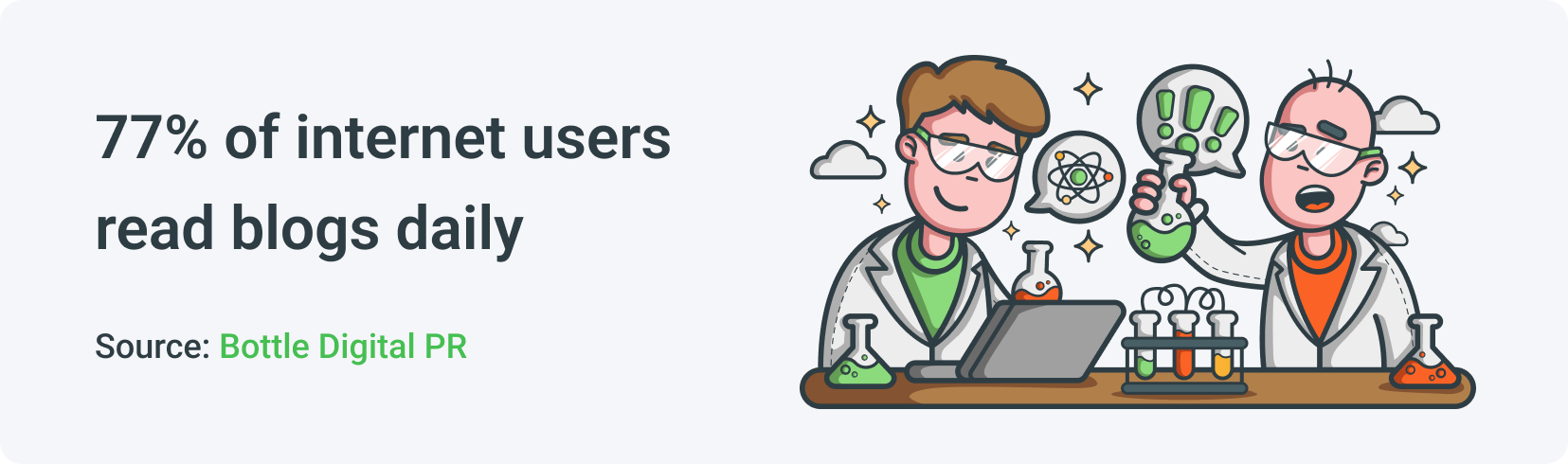
Yes. Blogs remain highly relevant: over 60% of internet users read blogs, and 77% read them daily — more than four billion readers worldwide. Long-form articles now average 1,427 words, signaling demand for depth that social feeds cannot match. Blogs build trust and community, which is exactly what converts readers into buyers.
Unlike fleeting social posts, a blog article keeps working months after publication, pulling organic search traffic and affiliate clicks on autopilot. That durability is why blogging still pays. If you have not published yet, learning how to start a blog the right way protects your earning potential from day one.
Why is affiliate marketing ideal for bloggers?
Affiliate marketing is the second most popular monetization method for bloggers because it fits content naturally. You earn a commission whenever a reader buys through your referral link, without holding stock or handling support. It rewards trust: the more relevant your recommendations, the higher your conversion rate and recurring passive income.

Three traits make affiliate marketing perfect for blogs:
Passive income — once links sit inside evergreen content, they earn while you sleep, as long as readers keep clicking and buying.
Content alignment — you choose offers that match your topic, so recommendations stay relevant and credible to your audience.
Scalability — more traffic means more clicks and more commission; your income grows with your blog, not your working hours.
New to the model? Start with the basics of affiliate marketing before optimizing — understanding how tracking, links, and commissions work prevents costly beginner mistakes.
What strategies help you earn from affiliate marketing on a blog?
Three strategies drive blogging income: choosing a focused niche, creating genuinely useful content, and integrating affiliate links naturally. A clear niche attracts a loyal audience and positions you as an authority. Quality content earns return visits and search rankings. Seamless links turn that attention into commissions without breaking reader trust.

Choosing your ideal niche
Your niche decides who reads you and how well your links convert. Lifestyle and health and wellness rank among the most profitable niches, but profitability matters less than fit — pick a topic you can write about for years. Combining two niches — like fitness and travel — widens your reach; you can even monetize a travel blog while keeping the audience targeted.
Creating the best possible content
Content is the foundation of a profitable blog. Consistently publishing clear, well-researched, in-depth posts is what attracts and retains readers — 39% of consumers are annoyed by poor writing and unnecessary fluff. Cut the filler, answer real questions, and your audience returns, clicks your links, and trusts your recommendations.
Integrating affiliate links naturally
Affiliate links should feel like helpful pointers, not a sales pitch. Place them inside genuine recommendations grounded in your expertise — for example, a tech blog can review a gadget in depth and link readers to it. Relevance plus context keeps the user experience smooth and lifts your conversion rate.
How do you scale your blogging income?
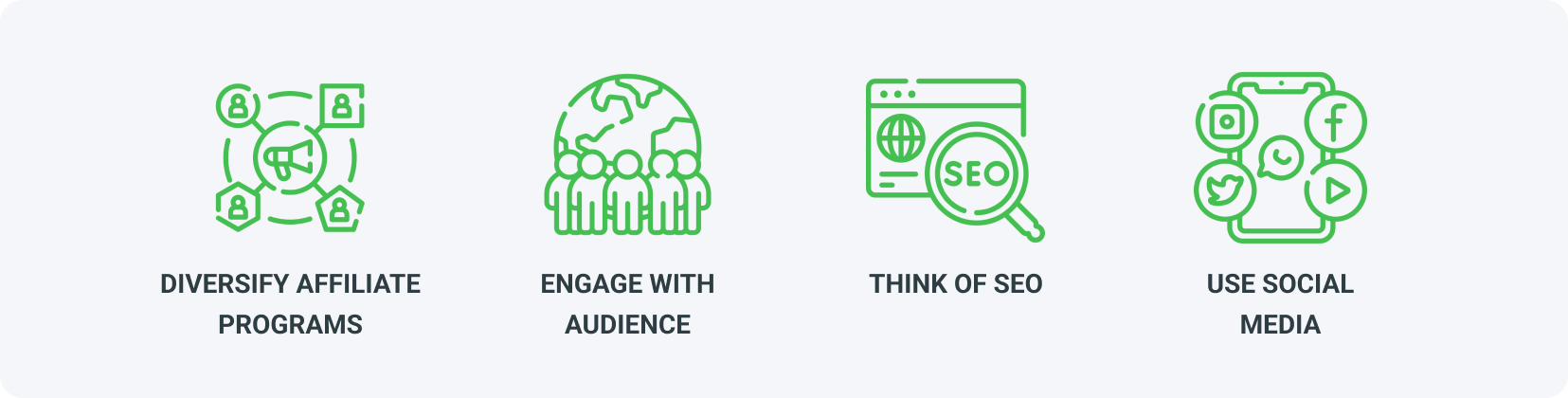
You scale blogging income by stacking four levers: diversifying affiliate programs, engaging your audience, optimizing for SEO, and using social media. Each multiplies the others — more traffic feeds more clicks, more trust feeds higher conversion. Once your content engine runs, these tactics turn a side income into a serious revenue stream.
Diversify your affiliate programs
Relying on a single affiliate program is risky — if it cuts rates or closes, your income drops overnight. Promoting several programs spreads that risk and lets you offer your audience a wider range of products. MyLead alone hosts thousands of campaigns across dozens of niches, so diversifying is straightforward.
Open the MyLead catalog, filter by your niche, and add several high-converting campaigns instead of betting on one. Join MyLead programs and build a resilient mix of offers:

Engage with your audience
Engagement builds the trust that drives conversions. Respond to comments, ask for feedback, and shape future posts around what readers actually want. When people feel heard, they return more often and act on your recommendations. A connected community clicks your affiliate links far more readily than passive, one-time visitors ever will.
Optimize for SEO
SEO is what brings free, targeted traffic to your blog month after month. Tools like Google Keyword Planner and Ahrefs reveal the keywords your audience searches, which you then weave naturally into posts. In 2023, 66% of bloggers credited SEO as their top traffic driver, so follow a proven SEO checklist and rank higher.
Use social media
Social media expands your reach and feeds your blog with new visitors. Almost half of all bloggers get traffic from social platforms. Share post snippets on Instagram, X, and Pinterest, place links in your bio, and learn to earn money on social media by pointing followers to your latest article.
Key takeaways
Blogs are still profitable in 2026 — over 60% of internet users read blogs and 77% read daily, giving you a large, trust-driven audience.
Affiliate marketing is the most accessible monetization method: no product, no inventory, a commission on every conversion.
A focused niche — health, wellness, or a smart combination — converts better than writing about everything.
In-depth content plus naturally placed links is what turns readers into buyers; fluff drives them away.
Scaling means stacking levers: diversify programs, optimize SEO, engage your community, and promote on social media.
Diversifying across many programs protects your income — a single network can change terms overnight.
FAQ
1. How much can a beginner blogger earn?
Earnings vary widely with niche, traffic, and consistency. Many bloggers begin with modest commissions and, once traffic and trust grow, scale to thousands of dollars a month — top performers in lucrative niches reach far higher.
2. How long does it take to make money blogging?
Most blogs need a few months of consistent publishing before affiliate income becomes steady, because organic search traffic builds gradually. With paid promotion or an existing audience, your first commissions can arrive much sooner.
3. Do I need my own products to make money blogging?
No. Affiliate marketing lets you earn commissions promoting other companies' products, so you need no inventory, shipping, or customer support — only relevant content and well-placed links.
4. Is blogging still worth it compared to TikTok?
Yes. Blogs offer durable, searchable, long-form content that keeps earning for months, while short-form video fades fast. The smartest creators use both, sending social traffic to monetized blog posts.
5. Which affiliate network is best for bloggers?
Choose a network with broad campaigns, fair payouts, and reliable tracking. MyLead offers thousands of programs across many niches, making it easy to match offers to your blog's topic.
Summary
Making money blogging in 2026 comes down to a repeatable system: pick a profitable niche, publish in-depth content, and integrate affiliate links that genuinely help readers. Diversify your programs, master SEO, and promote on social media to grow from hobby to real income. Create your free MyLead publisher account and start monetizing your blog today.
Have any questions? Feel free to reach us through our channels.