
Blog / Guides
How to Start a Blog and Make Money Online in 2026?
This article is updated regularly
Last update:
28 August 2025
Starting a blog means choosing a niche you know, picking a platform like WordPress, registering a domain with hosting, designing a responsive layout, and publishing content consistently. To turn a blog into income, you connect it with affiliate marketing — earning a commission for every product you recommend. The full setup takes a few hours; first earnings usually follow within several months.
This guide walks you through a practical 10-step path to launching your own blog in 2026 — from the first idea to your first affiliate earnings. The focus is action, not theory.
What you'll learn from this article:
how to find a blog niche that is profitable and that you actually enjoy,
which blogging platform and hosting fit beginners best,
how to design, write and promote your blog for steady traffic,
how to monetize your blog with affiliate marketing and MyLead.
What do you need to start a blog and find your niche?
Starting a blog requires four essentials: a focused niche, a blogging platform, a domain with hosting, and a content plan. The niche is the foundation — the most successful blogs cover a topic the author enjoys and that an audience actively searches for. A unique idea isn't necessary; a clear angle and a defined readership matter far more.
Ask yourself two questions before committing: do you enjoy the topic enough to write about it for months, and is anyone else searching for it? If you love pottery, gaming or personal finance, thousands of other people do too. A niche you're genuinely passionate about keeps you consistent — and consistency is what builds an audience.
Which blogging platform and hosting should you choose?
WordPress is the most recommended blogging platform for beginners, thanks to its huge ecosystem of themes and plugins. Web hosting is the service that makes a blog accessible online — without it, a blog has no address. Two paths exist: free hosting, which limits the domain and monetization, and self-hosting from a few dollars a month, which offers full control.
Free hosting — zero cost, but your address stays as something.wordpress.com, with fewer themes, limited plugins and capped monetization.
Self-hosting — from a few dollars a month, you get your own domain name, full access to themes and plugins, and no limits on how you earn.
For a blog built to earn money, self-hosting is the better long-term investment — the small monthly cost pays back through unlimited monetization and a professional domain.
How do you name your blog?
A blog name is the brand — the strongest names are short, catchy, descriptive and easy to remember. A good name signals the topic at a glance and works cleanly as a domain. For a blog built to earn money, the name should reflect the niche rather than a personal hobby, so readers immediately understand what the blog offers.
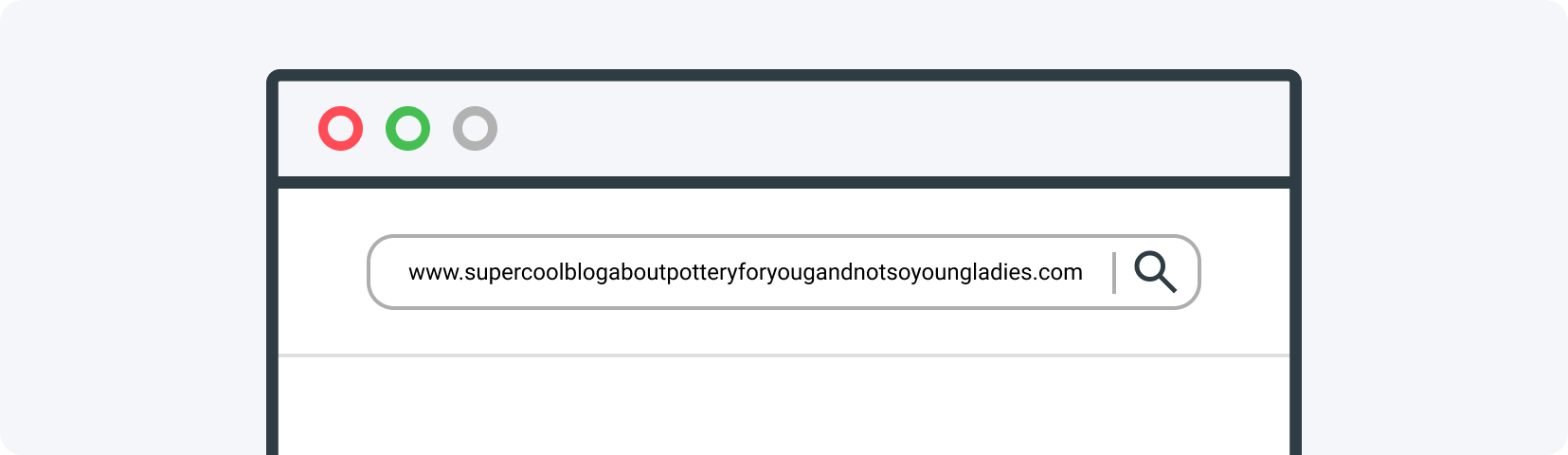
Think from your reader's perspective: a clear, descriptive name always beats a clever but confusing one. Avoid cramming endless words into a single address — a name nobody can type or recall quietly costs you visitors. A short wordplay or rhyme works only when it stays easy to spell and remember.
How do you choose a theme and design your blog?
Good blog design relies on a clean, intuitive theme that loads fast and works on every device. The best layouts borrow from sites readers already enjoy — clear navigation, logical structure and a limited color palette. Responsive design that adapts to desktop, tablet and mobile is essential, because visitors abandon blogs that are confusing or slow to navigate.
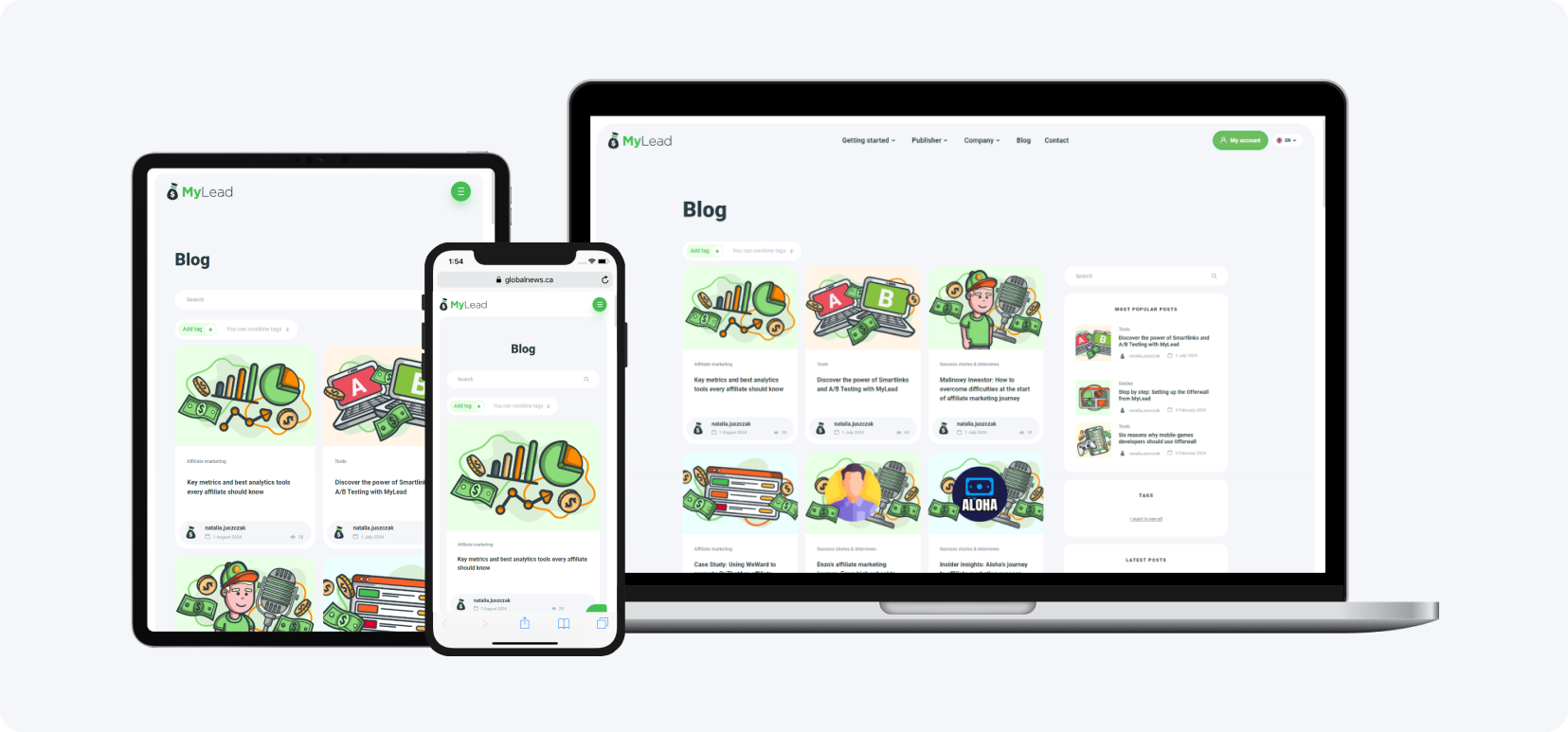
If a blog is hard to navigate, visitors leave within seconds, so usability should always win over decoration. The same UX principles behind high-converting landing pages apply to blogs — our top 5 rules for an effective landing page translate directly to your homepage and post layouts.
What should you write about, and how do you write your first post?
The best blog topics answer questions an audience already asks — what readers love, hate or struggle with in a given niche. The first post follows a simple process: a working title, then straight into the body, written until the content feels complete. Emotion and usefulness drive engagement far more than flawless prose.
Most platforms use an intuitive editor similar to a word processor, so the writing itself is easy — the craft lies in the angle. Emotional storytelling keeps readers on the page, while topics built around real search queries bring them in. Write about what fascinates you, and that energy carries into every post.
Want to know what else drives traffic to your blog? Check this out:

How often should you publish and how do you promote a blog?
Consistency outweighs volume — a fixed weekly or monthly schedule builds an audience faster than sporadic bursts, with quality always before quantity. Promotion then expands reach across multiple channels: personal networks, social media profiles, niche forums and comments, email signatures, and paid ads once organic traffic proves what converts.

Regularity is the real secret — a successful blog often takes weeks or months to grow, so block out realistic writing time and protect it. Combine organic traffic from a solid SEO strategy with active social media promotion to compound your reach. Engage genuinely, and let every channel point back to your blog.
How do you make money from a blog?
A blog makes money by converting traffic into commissions, most reliably through affiliate marketing — the publisher recommends products and earns a percentage of each resulting sale or action. The model is straightforward: a publisher joins a network, generates a tracking link, and places it inside relevant posts. Other revenue streams include display ads, sponsored content and selling original products.

Affiliate marketing is the most beginner-friendly path. With MyLead — a global affiliate network — you choose from thousands of campaigns and earn a commission for every conversion. Top bloggers often earn thousands of dollars a month this way, and the best performers in profitable niches reach five- and six-figure sums. Our guide to affiliate marketing on a blog covers seven rules that protect your earnings. Create a free MyLead publisher account and start monetizing your blog today.
Want the complete breakdown of making money from your content? Read this:

Key takeaways
A focused niche you enjoy beats a broad one — passion keeps you publishing long enough to gain traction.
Self-hosting from a few dollars a month gives you your own domain, full design freedom and no limits on monetization.
Consistency matters more than volume — a fixed publishing schedule builds an audience faster than sporadic bursts.
Promotion across social media, forums, email and paid ads turns a quiet blog into a real traffic source.
Affiliate marketing with MyLead is the most beginner-friendly way to monetize — top bloggers earn thousands of dollars a month from the right niche.
FAQ
1. How much does it cost to start a blog?
You can start a blog for free, but a self-hosted setup costs only a few dollars a month for hosting plus a small annual domain fee. That modest investment removes branding limits and unlocks full monetization.
2. How long does it take to make money blogging?
Most blogs need several months of consistent publishing before earnings become steady. With affiliate marketing for beginners, first commissions arrive sooner when your traffic is well-targeted.
3. Which blogging platform is best for beginners?
WordPress is the most popular choice because of its large library of free themes and plugins. The bigger the platform, the more options you have to customize and grow your blog.
4. Can you start a blog without writing skills?
Yes. Choose a topic you genuinely care about and write the way you speak — curiosity and usefulness matter more than polished prose. Your skill improves with every published post.
5. Do you need a website to do affiliate marketing?
No, but a blog is one of the highest-converting traffic sources for affiliate links. It gives you owned space where you fully control the content, the design and the calls to action.
Summary
Starting a blog comes down to a repeatable system: choose a niche you love, launch it on a solid platform, publish consistently, and promote across every channel. Monetize it with affiliate marketing to turn readers into income. Join MyLead, generate your first affiliate link, and start earning from your blog.
Have any questions? Feel free to reach us through our channels.