
Blog / Affiliate marketing
Voice Search in Affiliate Marketing: How to Optimize for Voice Assistants?
Voice search in affiliate marketing means optimizing your content so voice assistants like Google Assistant, Alexa, and Siri read your page as the spoken answer to a user's question. Because spoken queries are longer and more specific, publishers who target conversational, question-based phrases capture highly qualified traffic and turn it into affiliate commissions.
This article shows you how voice search reshapes SEO, which optimization tactics work, and how to monetize voice-driven traffic with MyLead campaigns.
What you'll learn from this article:
why voice assistants are reshaping affiliate marketing,
how voice search changes SEO and website positioning,
which optimization tactics make you the single spoken answer,
how affiliate networks like MyLead monetize voice-driven traffic,
why profiling user intent matters more than chasing the top 10.
What is voice search optimization in affiliate marketing?
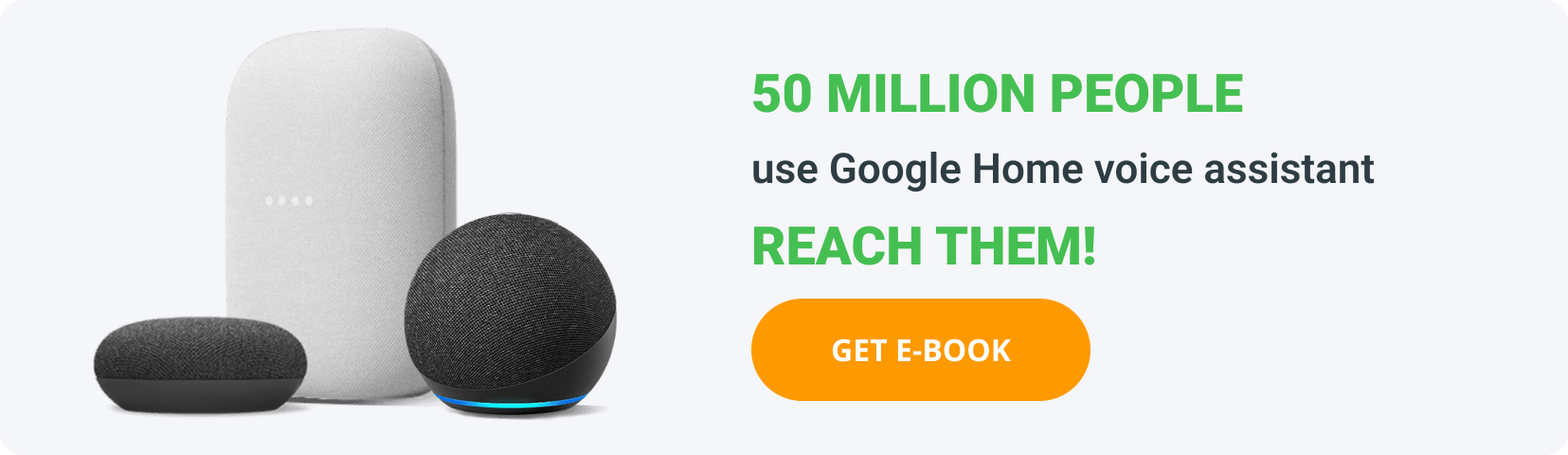
Voice search optimization in affiliate marketing is the practice of structuring content so voice assistants select it as the single spoken answer. It relies on natural, conversational phrasing, question-based headings, and concise direct answers. Over 50 million people already use Google Home alone, so each optimized page reaches an audience that competitors rarely target.
Unlike typing, where users scan a list of results, voice delivers one response per query. That single-answer model rewards pages that answer precisely and load fast. The same principles behind ranking in SEO in the age of AI apply here: clarity, structure, and intent matching decide who gets read aloud.
How do affiliate networks help you monetize internet traffic?
Affiliate networks monetize website traffic by connecting publisher content to advertiser offers and paying a commission for every completed action. MyLead — an affiliate network aggregating campaigns, tracking links, and payouts — has already paid its publishers over $2 million. The publisher promotes; the network handles tracking, settlement, and advertiser relations.
Each year, affiliate networks generate more profit, and voice-driven traffic adds a fresh, low-competition channel. If you are new to the model, start with what affiliate marketing really is, then browse the catalog, pick an offer that fits your niche, and generate a tracked link. Discover affiliate programs that match your website and start earning from voice search today.

How does voice search affect SEO and website positioning?
Voice search affects SEO by rewarding pages that answer one precise question better than any competitor. Cooperation with affiliate programs also builds valuable inbound links, strengthening a site's link profile and lifting its position in search results. Google reads that authority signal, and stronger positioning means a higher chance of becoming the spoken answer.
Voice queries are longer and narrower, so they return a tighter set of results. To compete, profile your target groups, anticipate their exact questions, and answer them directly. A structured SEO checklist covering headings, schema, and mobile speed keeps your pages eligible for that single voice slot.
How do you optimize content for voice search?
Voice search optimization relies on long-tail, conversational keywords, question-based headings, and a clear answer placed in the first sentence of each section. Structured data, fast mobile loading, and a natural question-and-answer format help voice assistants extract a single response. The goal is matching the precise intent behind a spoken query rather than ranking for short keywords.
The practical tactics break down into a short checklist you can apply to any page:
Long-tail keywords — target full spoken phrases instead of one- or two-word terms.
Question-based headings — phrase your H2 and H3 as the exact questions users ask aloud.
Direct answers — open each section with a concise, self-contained response.
User intent alignment — match the intent behind the query, not only the keywords.
Structured content — use clear headings, lists, and schema so assistants parse the page.
The same discipline behind strong landing page optimization applies to voice: fast loading, clean structure, and copy that mirrors how people actually speak. Test your headings by reading them aloud — if they sound like a real question, they fit voice search.
Will voice search replace the traditional top 10 results?
Voice search is reshaping the classic top-ten model: a spoken query usually returns one answer, not a list. As assistants read a single result aloud, positions below first place lose visibility, and precise intent matching decides who gets selected. Growing language support and IoT devices widen this single-answer channel to publishers worldwide.
For affiliates, one well-optimized answer can capture an entire query that once split across ten links. Profiling user intent — the questions, context, and devices behind a search — becomes more valuable than chasing keyword volume. The earlier you adapt, the more of this low-competition voice traffic you convert into commissions.
Key takeaways
In voice search, only first place counts — a spoken query returns one answer, not a top-ten list.
Optimizing for long-tail, conversational phrases and question-based headings makes a page the single spoken answer.
MyLead monetizes voice-driven traffic with tracked links and payouts, having already paid publishers over $2 million.
Inbound links from affiliate programs strengthen SEO positioning, raising the chance of becoming the read-aloud result.
Growing language support and IoT devices expand voice opportunities for publishers worldwide.
FAQ
1. Why should affiliates care about voice search?
Because spoken queries are longer, more specific, and usually return a single answer. Optimized content can become that one answer, capturing qualified traffic competitors ignore.
2. How is voice search different from traditional SEO?
Voice search is conversational and intent-driven. Users ask full questions instead of typing short keywords, so content must be natural, precise, and structured around real queries.
3. Will voice search replace traditional search results?
Not entirely, but its importance grows fast. On mobile devices and smart speakers, users often rely entirely on a single spoken response.
4. How can I optimize my content for voice search?
Focus on long-tail keywords, question-based phrasing, clear direct answers, strong intent alignment, and well-structured content that assistants can parse.
5. Is voice technology only relevant for large brands?
No. Smaller publishers benefit even more by targeting niche, specific queries and becoming the most relevant answer for a defined audience.
Summary
Voice search is turning affiliate SEO into a single-answer game: long-tail, conversational content that matches precise intent wins the spoken result. Publishers who adapt early capture low-competition voice traffic, and networks like MyLead turn that traffic into tracked commissions.
Have any questions? Feel free to reach us through our channels.