Blog / Affiliate marketing
How to Earn With Mobile Rewards in Mobile Games?
This article is updated regularly
Last update:
25 April 2025
Mobile Rewards is a MyLead monetization tool that lets app and game developers reward users for completing actions — watching a video, installing an app, or finishing a survey. Each completed task generates commission for the app owner while giving the player a free in-game bonus. It works like a voluntary exchange that benefits developers, users, and advertisers.
This guide shows you how to earn with Mobile Rewards in mobile games — which mechanics convert best, what rewards to offer players, and how to apply them without hurting the user experience.
What you'll learn from this article:
how Mobile Rewards works and how it earns you commission,
which six in-game mechanics convert players into completed actions,
what rewards to offer players to maximize engagement,
which best practices keep monetization from hurting the user experience.
How do you earn money with Mobile Rewards?
Earning with Mobile Rewards happens when a player completes a task — watching a video, installing an app, or filling a survey — to unlock an in-game reward. Each completed action counts as a conversion that pays commission to the app owner. Mobile Rewards is one of MyLead's Content Lockers, so the bonus stays locked until the user finishes the required action.
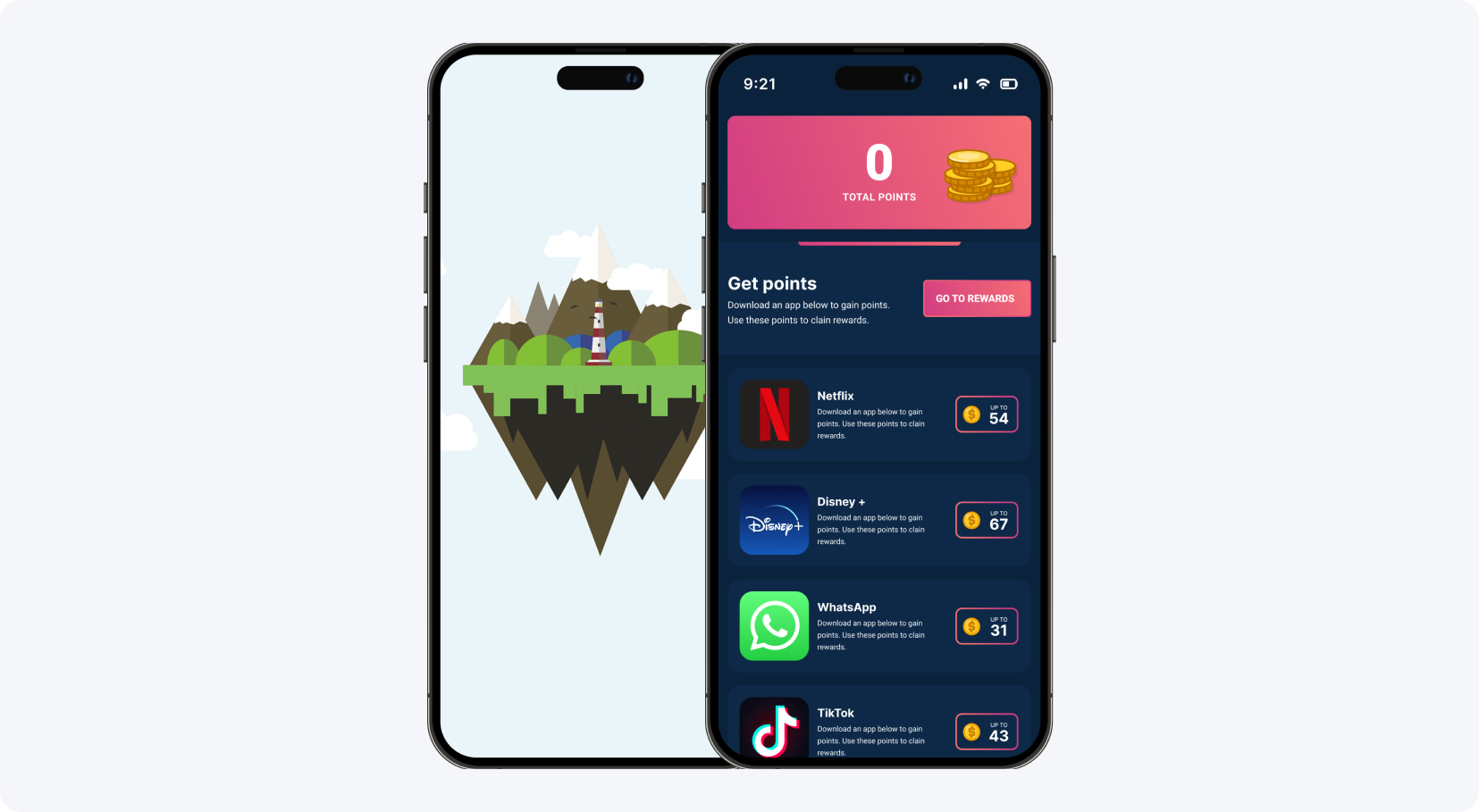
The model resembles a voluntary exchange: the player gets a free bonus, the advertiser gets the action they paid for, and you collect the payout. To see the full range of formats you can monetize, review the top ways to monetize mobile games or apps and a real Mobile Rewards case study.

Why are Mobile Rewards worth using in mobile games?
Mobile Rewards are worth using because they balance monetization with user experience. Rising competition in the mobile gaming market pushes developers to keep players engaged, and intrusive ads break that engagement. Rewarded mechanics replace or reduce non-rewarded ads, letting users keep free gameplay while the developer still generates revenue from every completed action.
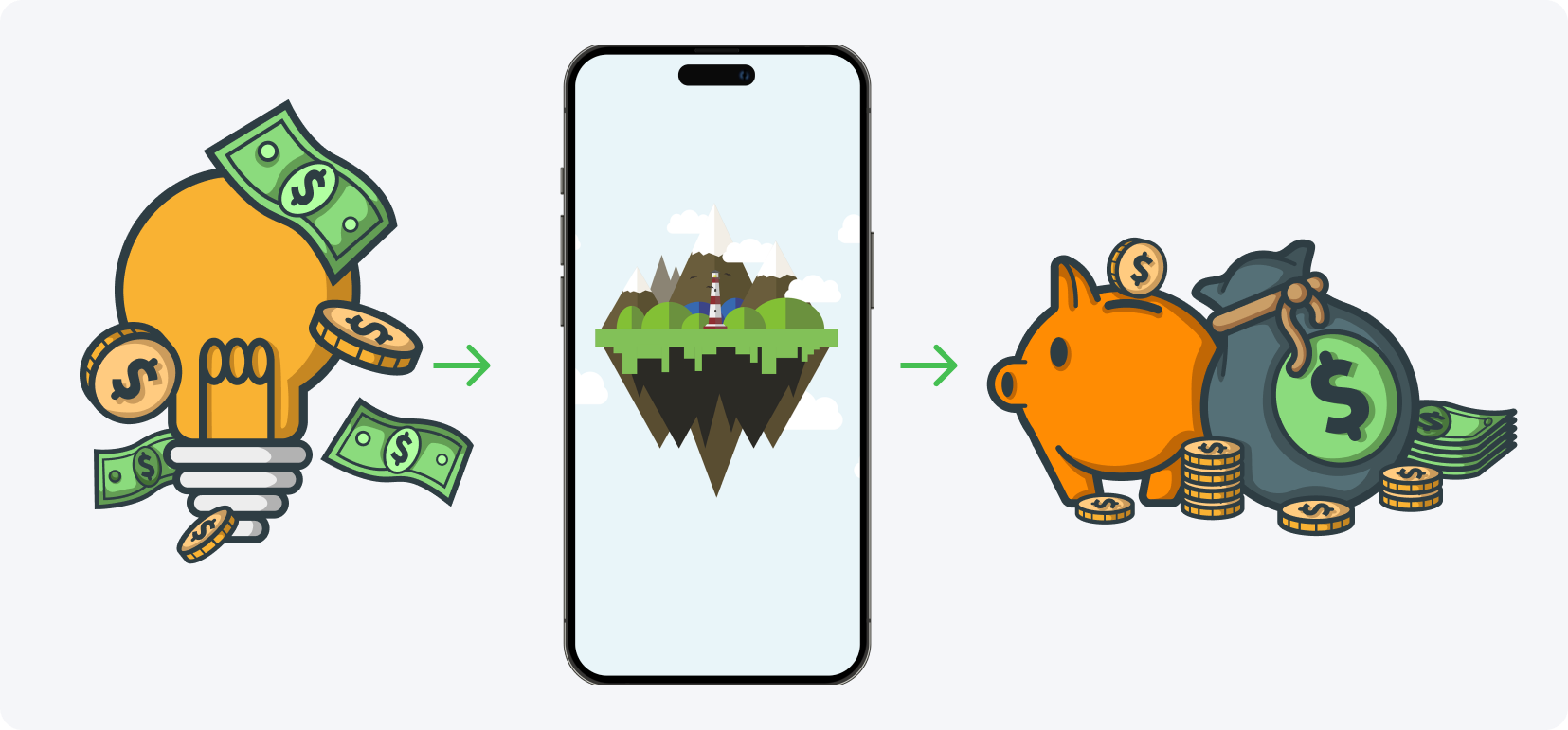
Mobile Rewards create a win-win: players improve their game for free, advertisers receive the actions they pay for, and you boost both revenue and retention. There are no losers in this exchange. The same logic drives the benefits Offerwall brings to mobile game developers.
What are the best ways to use Mobile Rewards to earn?
The best ways to use Mobile Rewards turn natural game moments into reward opportunities. Developers attach a completable action to login streaks, in-game shops, level failures, locked stages, story events, and competitions. Each placement gives the player a reason to finish a task voluntarily, and every completed task converts into commission for the app owner.
All six mechanics run on the same engine — MyLead's improved Content Lockers — which hide a reward until the action is done. You can combine them within one game to match different moments of play.
Daily rewards and login bonuses
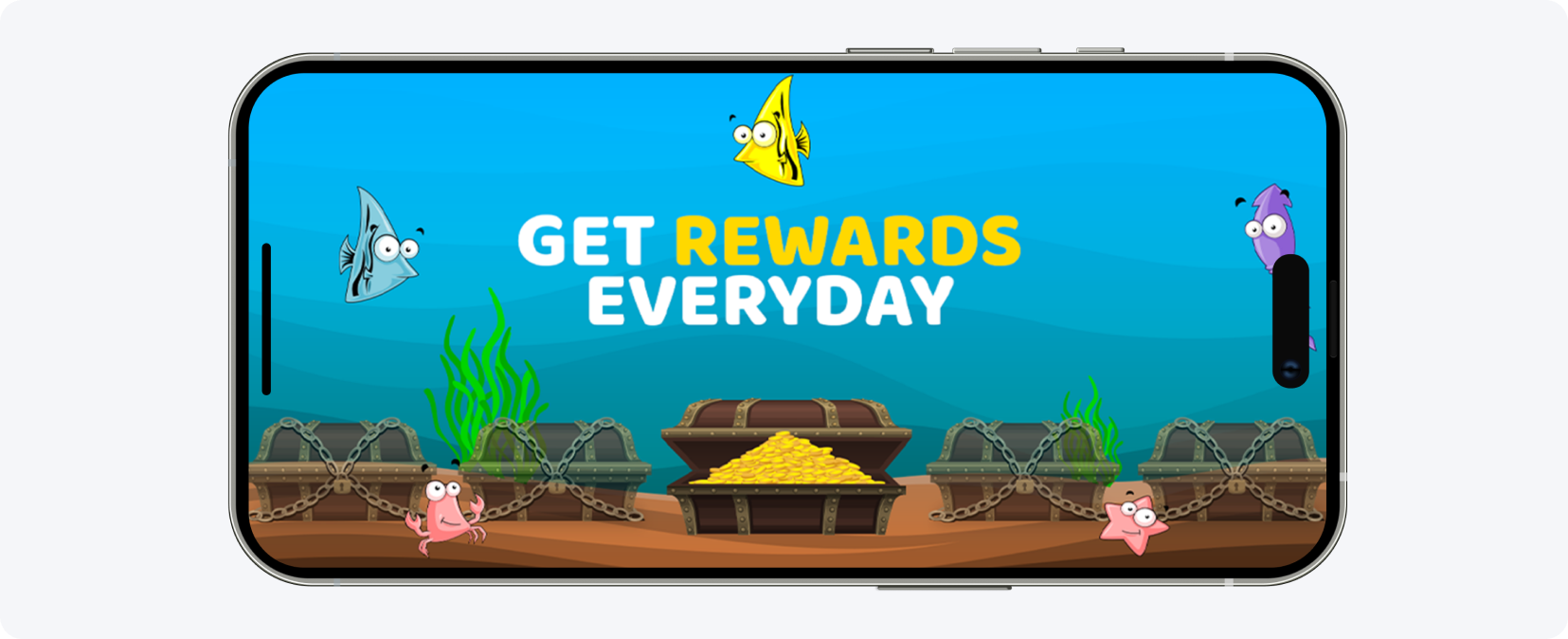
Daily rewards grant a bonus for opening the game on consecutive days — the "play five days in a row and get a surprise" mechanic. They are the simplest way to build a return habit. Each login can require a small action through Mobile Rewards, so a routine visit becomes a recurring conversion for the developer.
In-game reward shop
A reward shop is an in-game panel that works like a store where players spend effort instead of money. They buy points, virtual coins, character upgrades, weapons, or building materials by completing an action — sharing the game with friends or installing an app. In return, the player receives the promised item and the developer earns commission.
Continue the game after losing
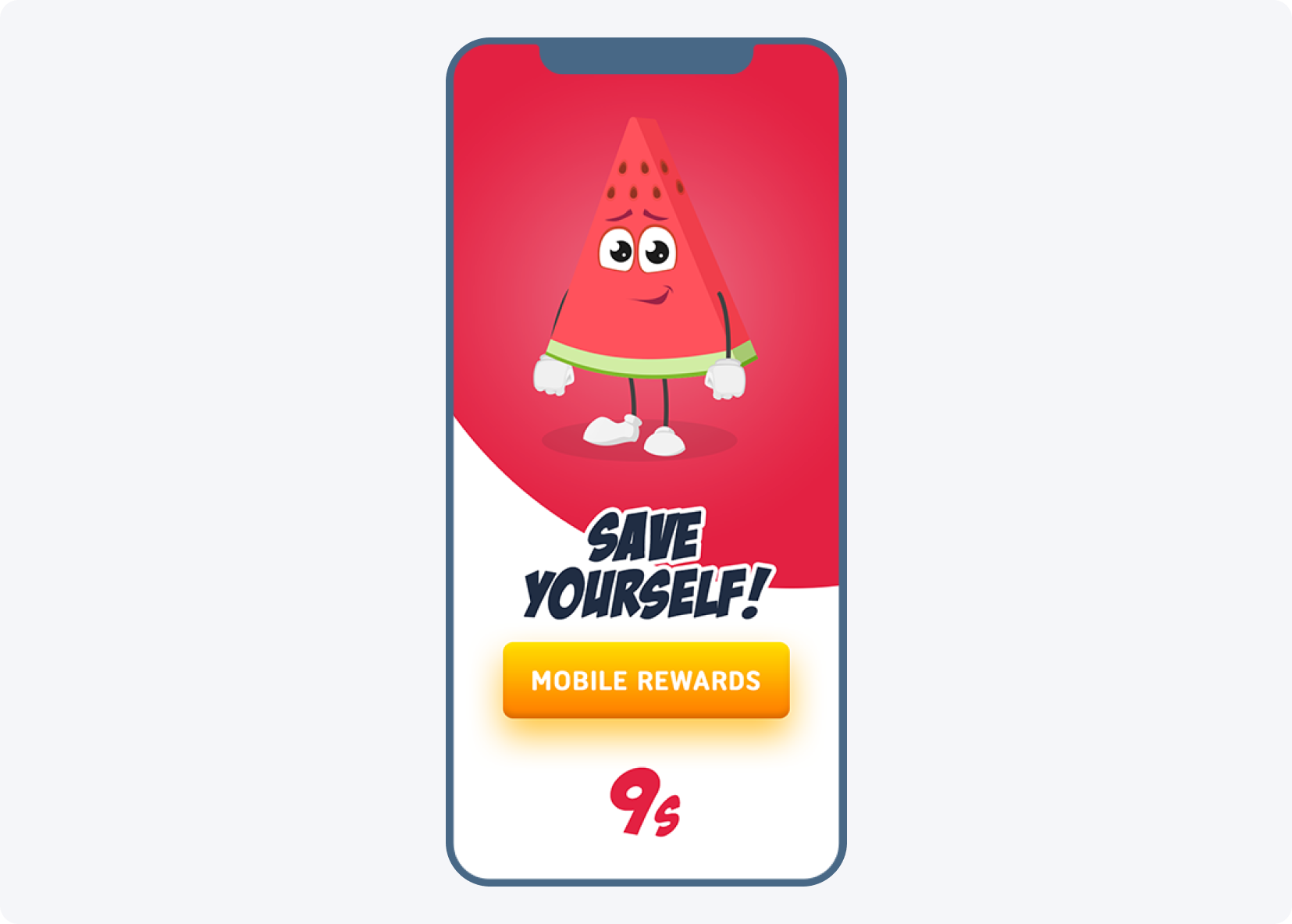
Continue-after-losing is the highest-converting mechanic in rewarded advertising. When a player's hero dies at a climax, Mobile Rewards appears with an action that lets them resume the round without losing accumulated points. Players usually quit the session after a loss, so this option extends average time in the app and turns frustration into a completed action.
Unlock levels and premium content
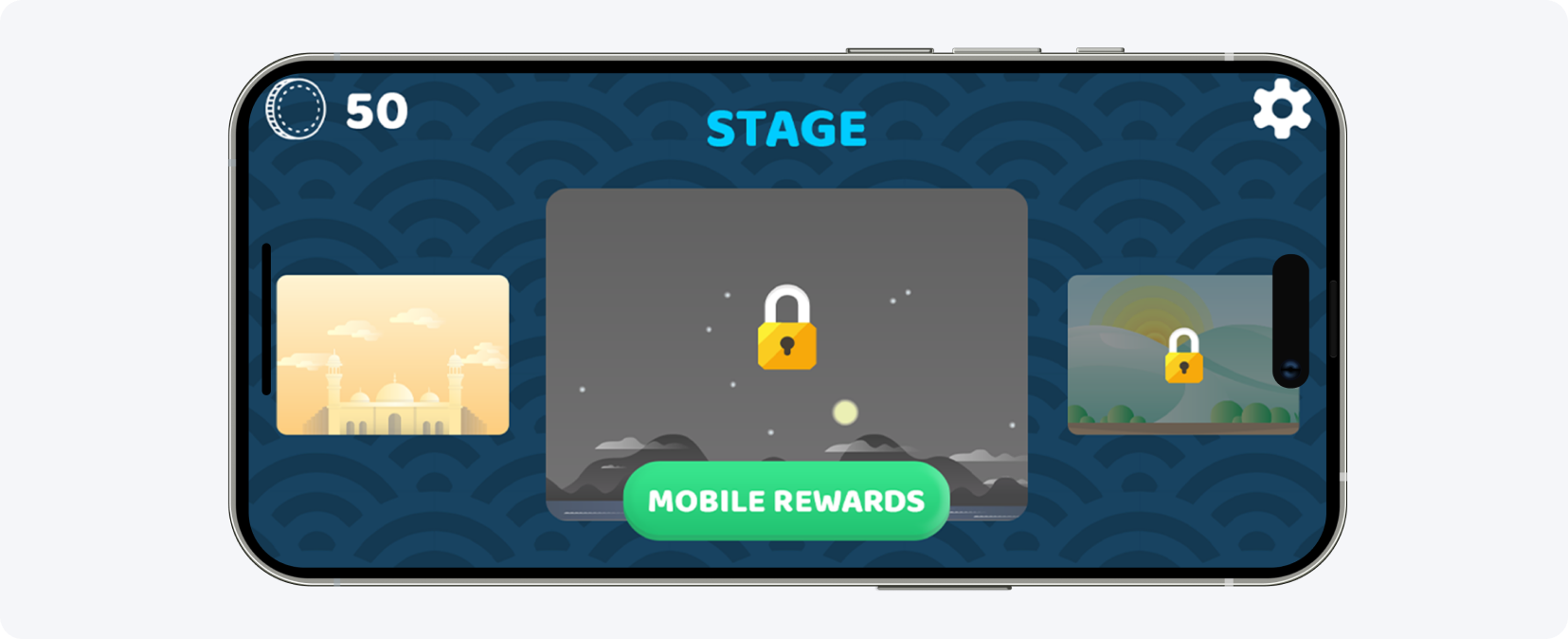
Locked content gates standard or special levels — extra worlds, settlements, or premium options like dialogue choices in story games — behind a Mobile Rewards task. The player completes an action to open the stage, which adds variety to the game and supports monetization. This works well because the reward feels earned rather than bought with cash.
Rewards built into the story
Story-integrated rewards weave the offer into the game's plot, which means planning the mechanic at the scripting and coding stage. In Family Guy: The Quest for Stuff, the character Carl runs a movie shop and periodically offers in-game currency in exchange for watching a video. Any fitting character — a fairy with a potion, a sage — can deliver the task naturally.
Competitions and races
Competitions suit racing games and shooters, where players compete against others. After a race ends, the results, achievement summary, and rewards appear — and with them a Mobile Rewards offer for extra points, coins, or HP units. Using the offer is fully voluntary: the player alone decides whether to complete the action, which keeps the experience non-intrusive.
What rewards should you offer players?
The reward depends on the developer's idea and how well it fits the game. The most common prizes are bonus points, virtual coins, or other in-game currency. Extra lives, experience, premium unlocks, or a hint that helps pass a hard stage also work. The more attractive the reward, the more willingly the player completes the action.
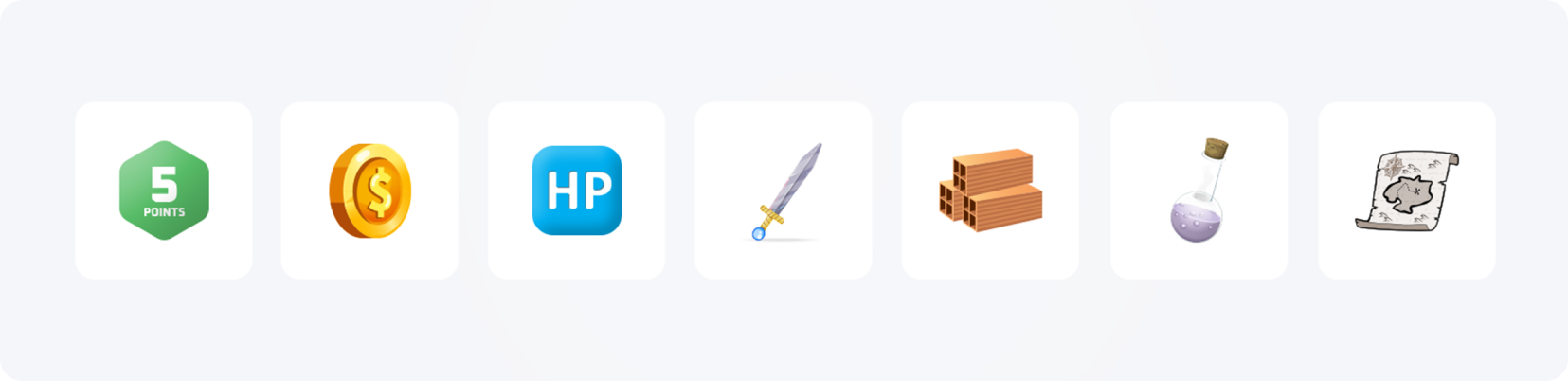
Points and experience — bonus points or XP that speed up progression.
Virtual coins — in-game currency for the store or upgrades.
Extra lives or HP — energy that keeps a run alive.
Weapons and gear — swords, armor, or tools that boost power.
Building materials — resources for construction-based games.
Potions and boosters — temporary advantages at key moments.
Hints and clues — help to pass a difficult stage.
If you are unsure which reward fits, run an experiment and compare results. Pair Mobile Rewards with Offerwall Rewards to widen the actions players can complete, then set up Mobile Rewards on MyLead and start testing reward types today.
What are the best practices for Mobile Rewards?
Best practices keep Mobile Rewards effective without annoying players. The offer should fit the game's plot, appear at the right frequency, scale in value with difficulty, and stay limited in how often it can be used. Done well, rewarded mechanics feel like a natural part of the game rather than an interruption, which protects retention.
Each practice below is a hypothesis worth testing. Run A/B tests on reward types and frequency, and if you are new to the tool, start with the step-by-step Content Locker installation guide before you optimize.
Match the design to your game
Appearance matters: Mobile Rewards must blend into the game's plot so its use raises no suspicion and does not irritate the player. A jarring offer scares potential users away. Mobile Rewards and the other Lockers on MyLead include extensive visual editing options, so the developer can adjust the look to fit any art style or theme.
Don't show rewards too often
Frequency control keeps Mobile Rewards from becoming the very ad type users hate. The offer should appear every few minutes of play, not constantly. Showing it only from a certain advancement level — not from the start — prevents players from intentionally letting their hero die just to farm coins, and stops the mechanic from scaring newcomers away.
Scale rewards with difficulty
Grading the prizes builds anticipation. When rewards grow more attractive as the level rises, players act even when the game is going well, because the value of the prize drives behavior. The user must feel the reward is specially selected and that the action required to earn it is genuinely worth taking.
Limit how often rewards can be used
Capping availability protects satisfaction. If a player can use the extra-life option without limit, the competition loses meaning. Restrict it to a set number of uses — for example, three times in a row — so the advantage stays valuable. A reward that is always available stops feeling like a reward and weakens engagement over time.
Key takeaways
Mobile Rewards earns you commission each time a player completes an action to unlock an in-game bonus.
It is one of MyLead's Content Lockers, so the reward stays locked until the user finishes the required task.
The six core mechanics — daily rewards, reward shop, continue-after-losing, locked levels, story rewards, and competitions — cover most game types.
Continue-after-losing converts best, because it captures players at the moment they would otherwise quit.
Frequency limits, design that matches the game, and scaling prizes with difficulty protect retention while you monetize.
FAQ
1. What is Mobile Rewards?
Mobile Rewards is a MyLead Content Locker that rewards app or game users for completing an action — such as watching a video or installing an app. The action generates commission for the app owner while giving the user a free in-game bonus.
2. Do users have to pay to use Mobile Rewards?
No. Players spend only time and effort — completing an action like a survey or app install — never their own money. That is why rewarded mechanics feel fair and keep games free to play.
3. Is Mobile Rewards better than regular ads?
Rewarded mechanics are opt-in, so they engage users instead of interrupting them. Players keep free gameplay and choose to act, which protects retention far better than forced non-rewarded ads.
4. How often should Mobile Rewards appear?
Show the offer every few minutes of play and only from a certain advancement level, not from the start. Over-showing it pushes players to game the system or abandon the app.
5. What rewards work best in mobile games?
Bonus points, virtual coins, extra lives, gear, and hints that help pass a hard stage convert well. The more attractive and well-timed the reward, the more willingly players complete the action.
Summary
Mobile Rewards turns ordinary game moments — losses, login streaks, locked levels — into voluntary actions that pay you commission while keeping the game free for players. Match the mechanic to your title, control its frequency, and test reward types to find what converts. Start earning with Mobile Rewards on MyLead today.
Have any questions? Feel free to reach us through our channels.